44 km and 270 m of elevation gain / 270 m of elevation loss
1/16
Show all 16 photos
Shimanami & Tobishima Island Bike Tour
7 days / 6 nights
|
Two island chains in one ride: the Shimanami Kaido to Shikoku, a boat west to the Tobishima Kaido, and two nights on islands most riders see in a day.
Two island chains in one ride: the Shimanami Kaido to Shikoku, a boat west to the Tobishima Kaido, and two nights on islands most riders see in a day.
Two island chains in one ride: the Shimanami Kaido to Shikoku, a boat west to the Tobishima Kaido, and two nights on islands most riders see in a day.
Highlights
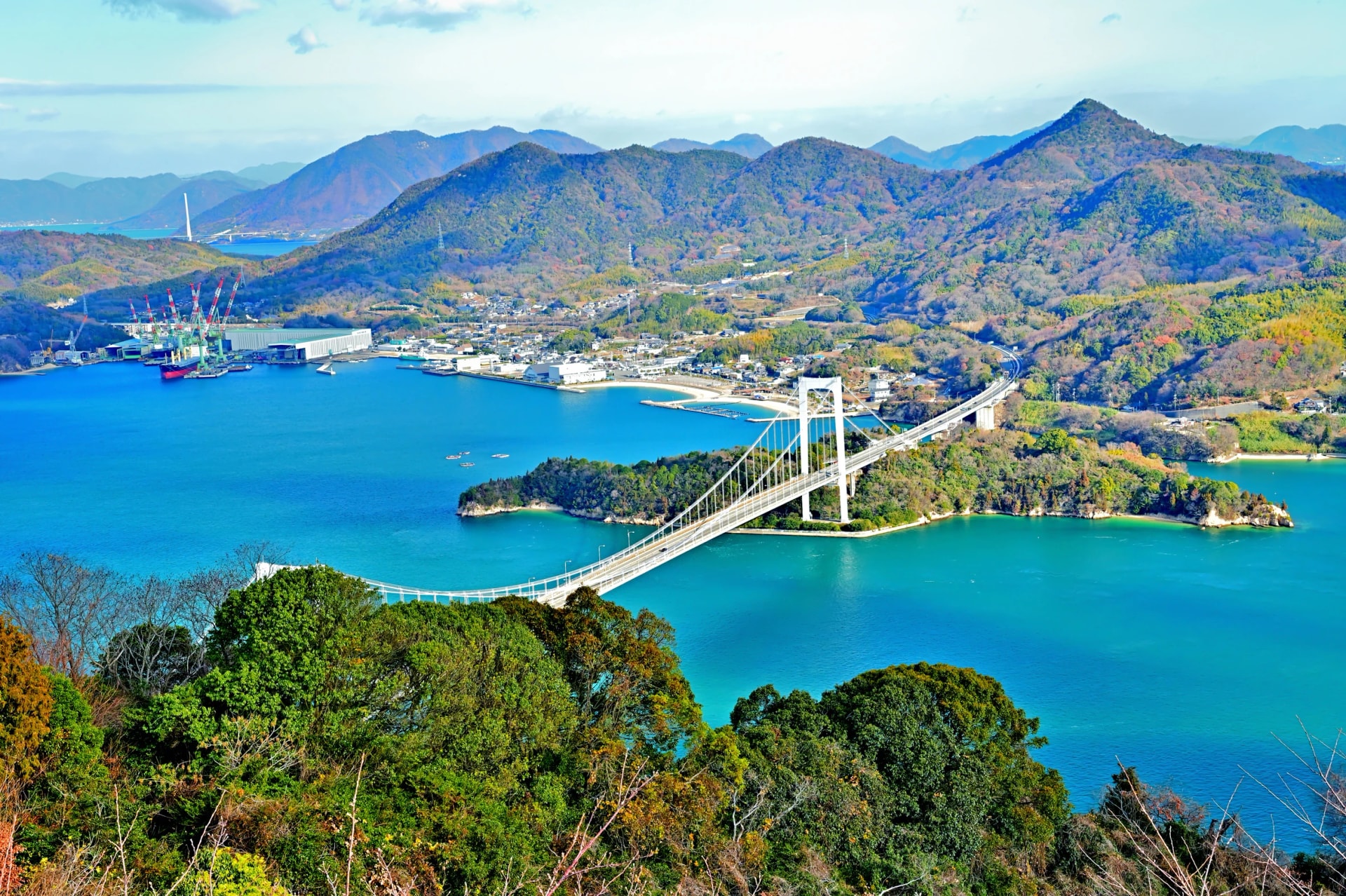
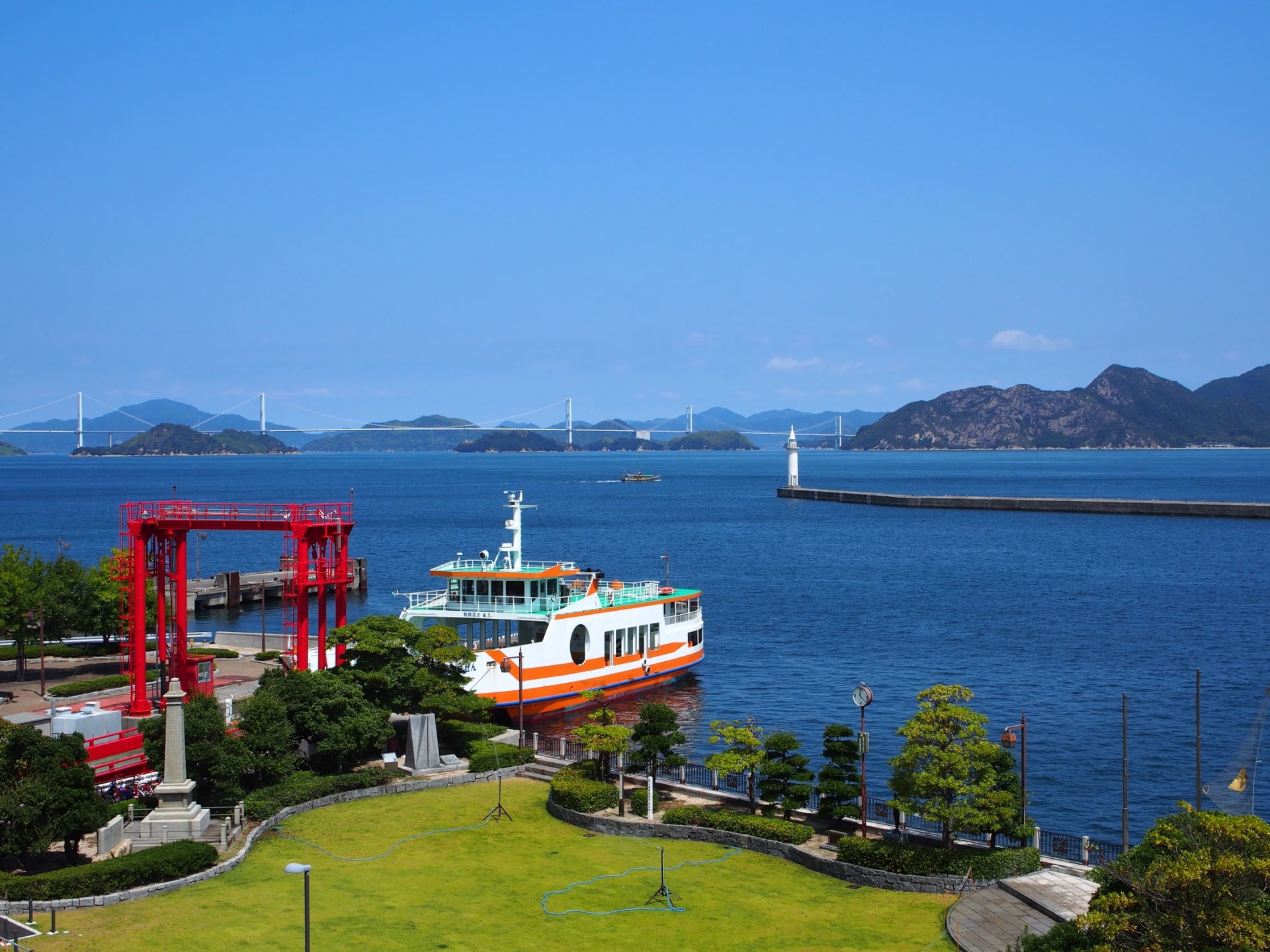
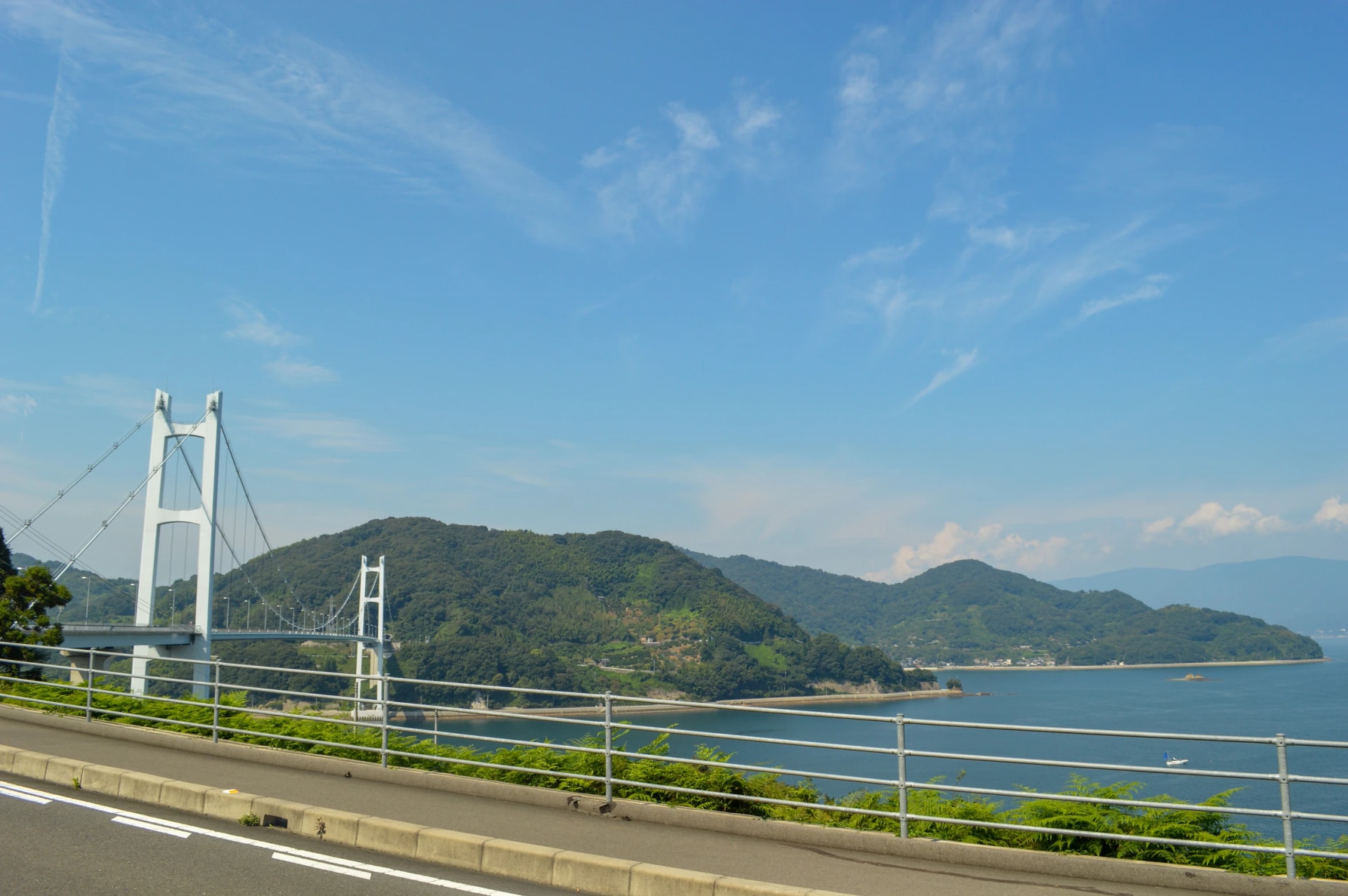
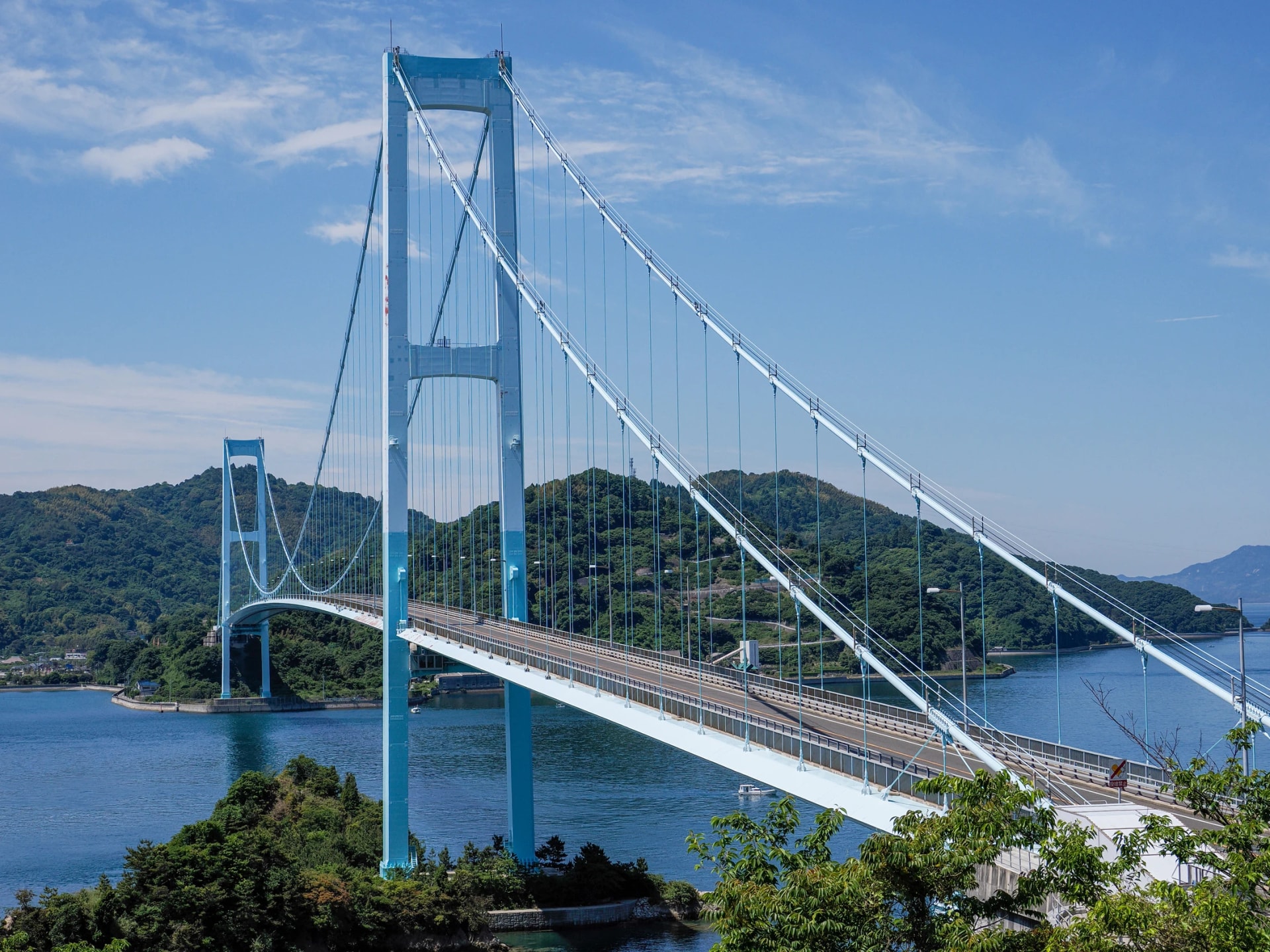
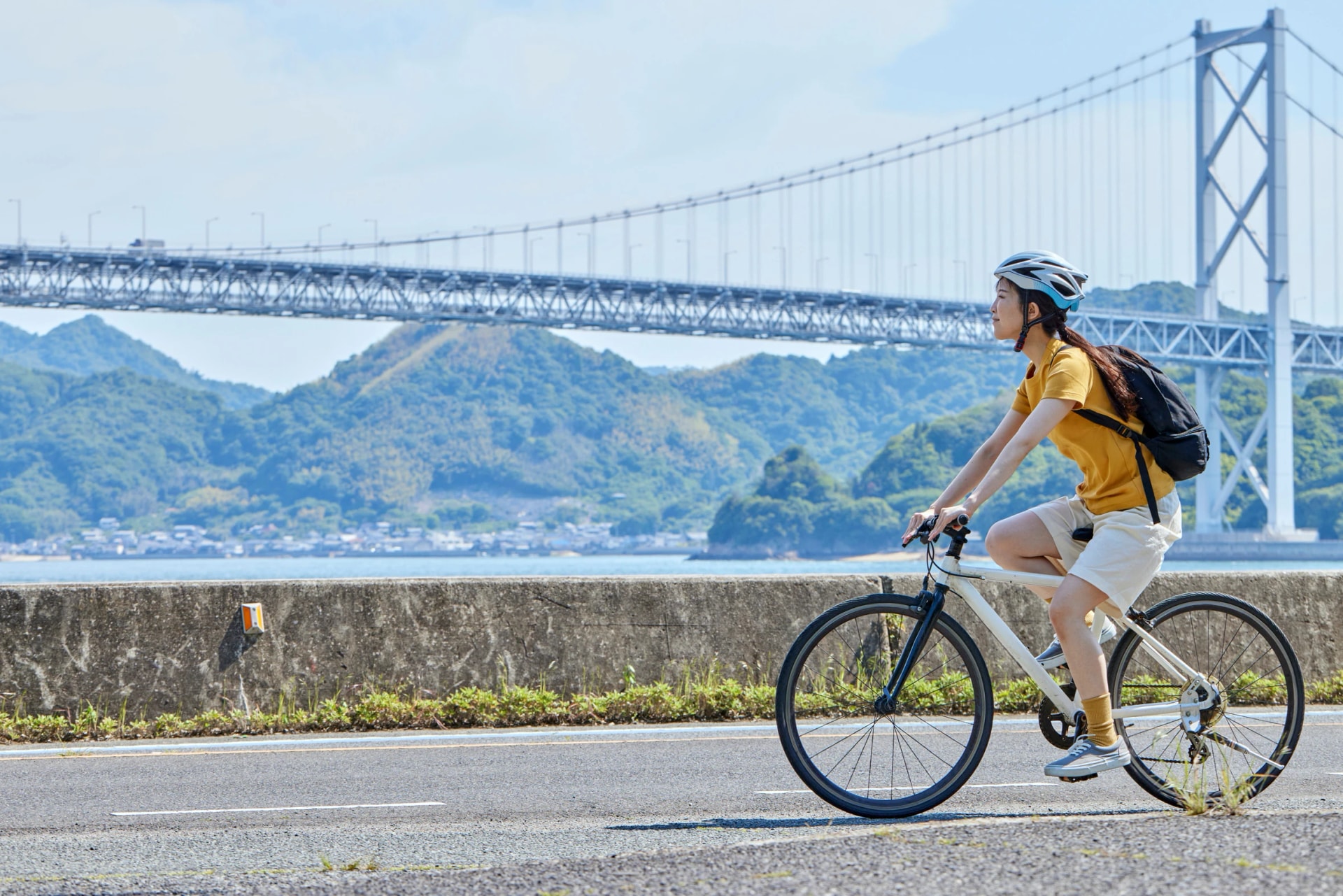
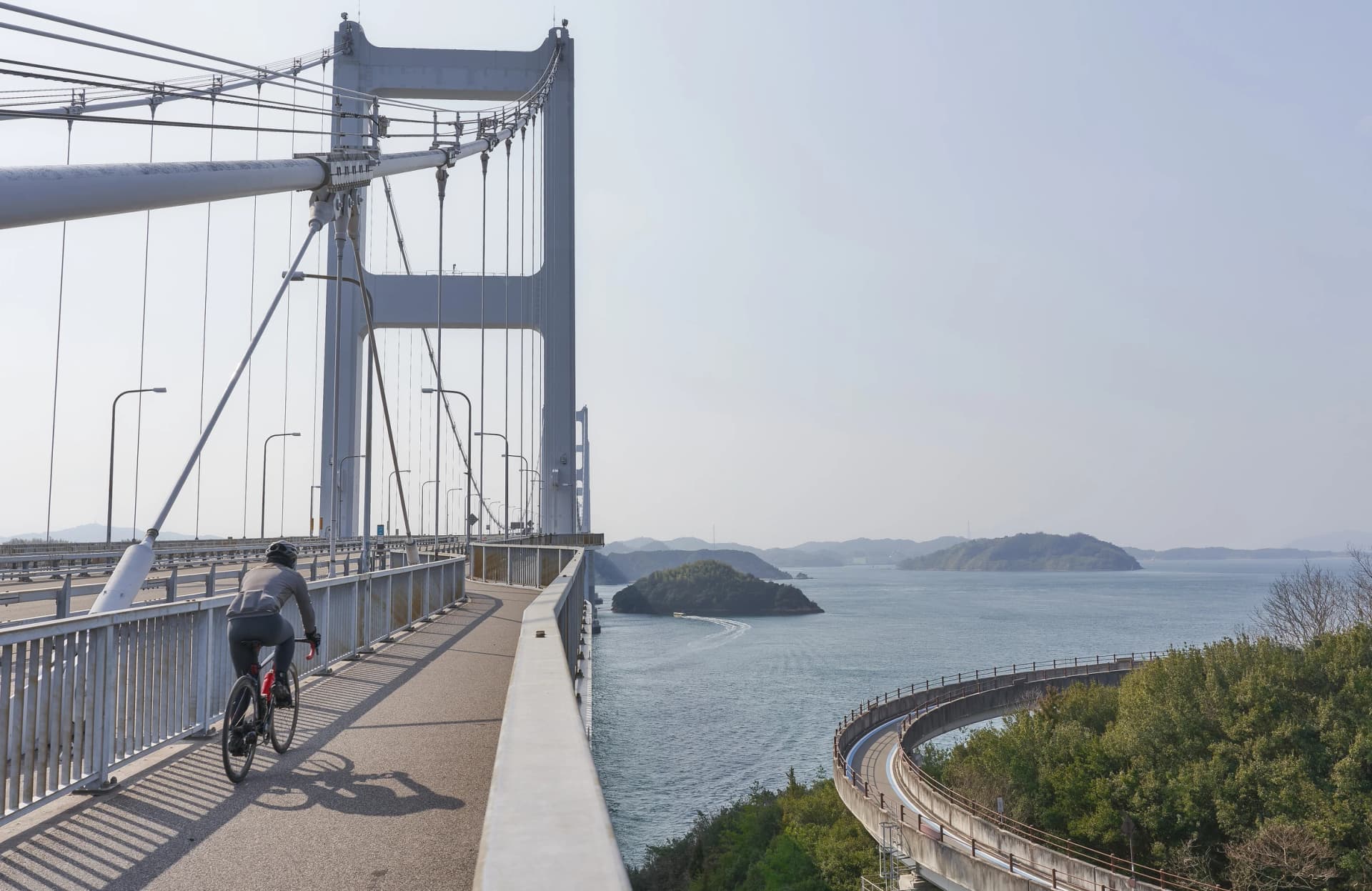
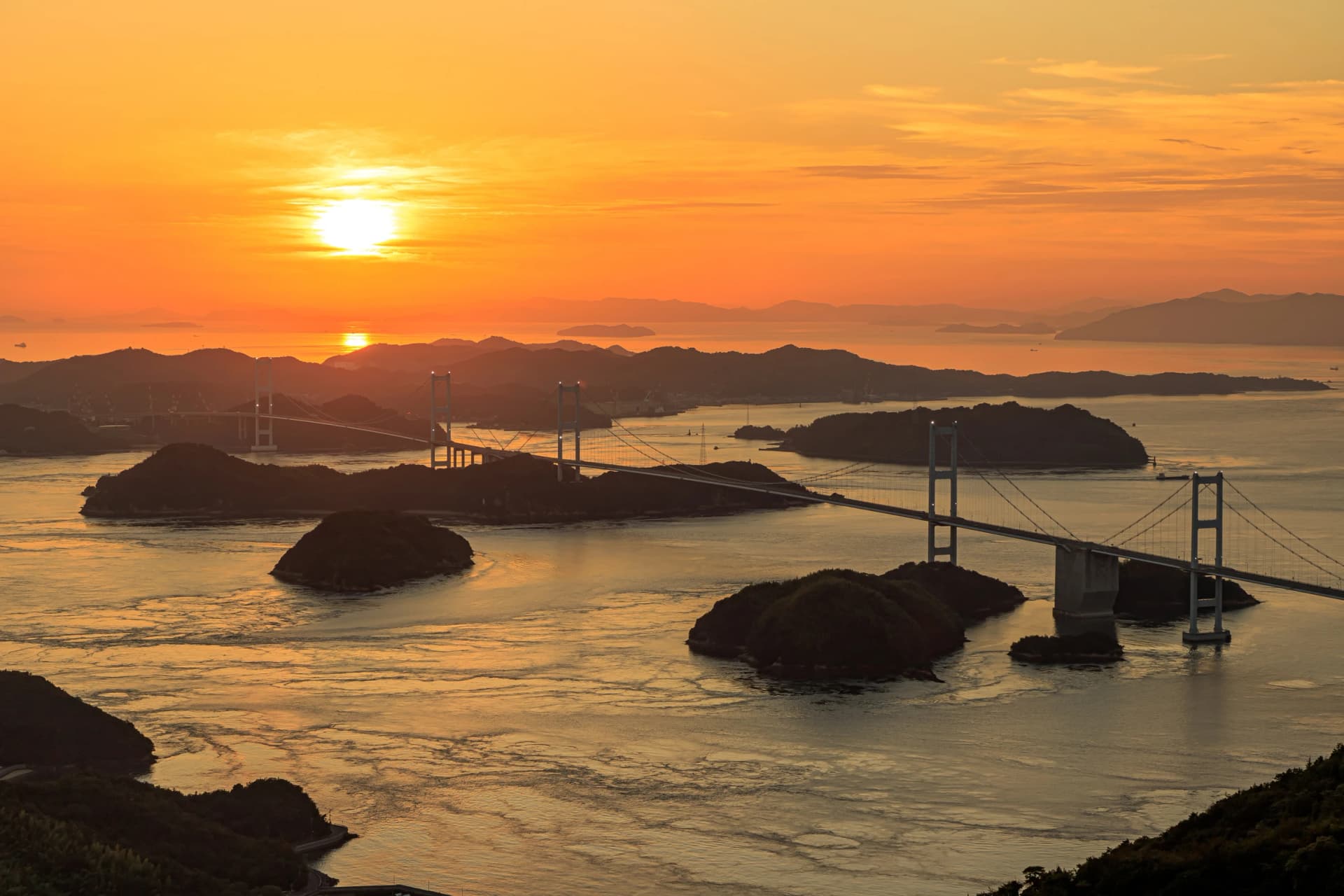
- Ride all six Shimanami bridges, Onomichi to Imabari, before the boat takes you west
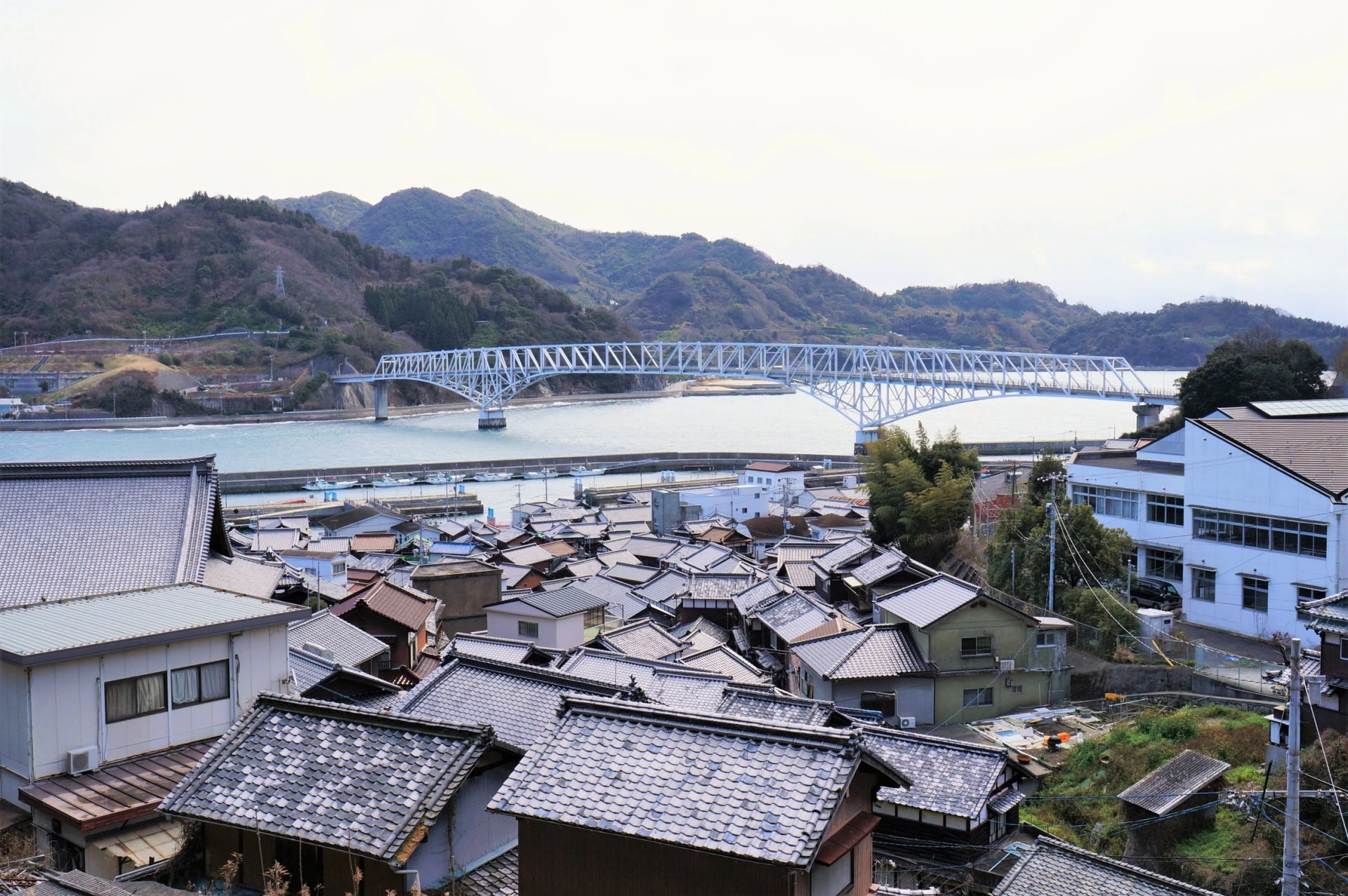
- Cross into Hiroshima halfway over the Okamura Bridge
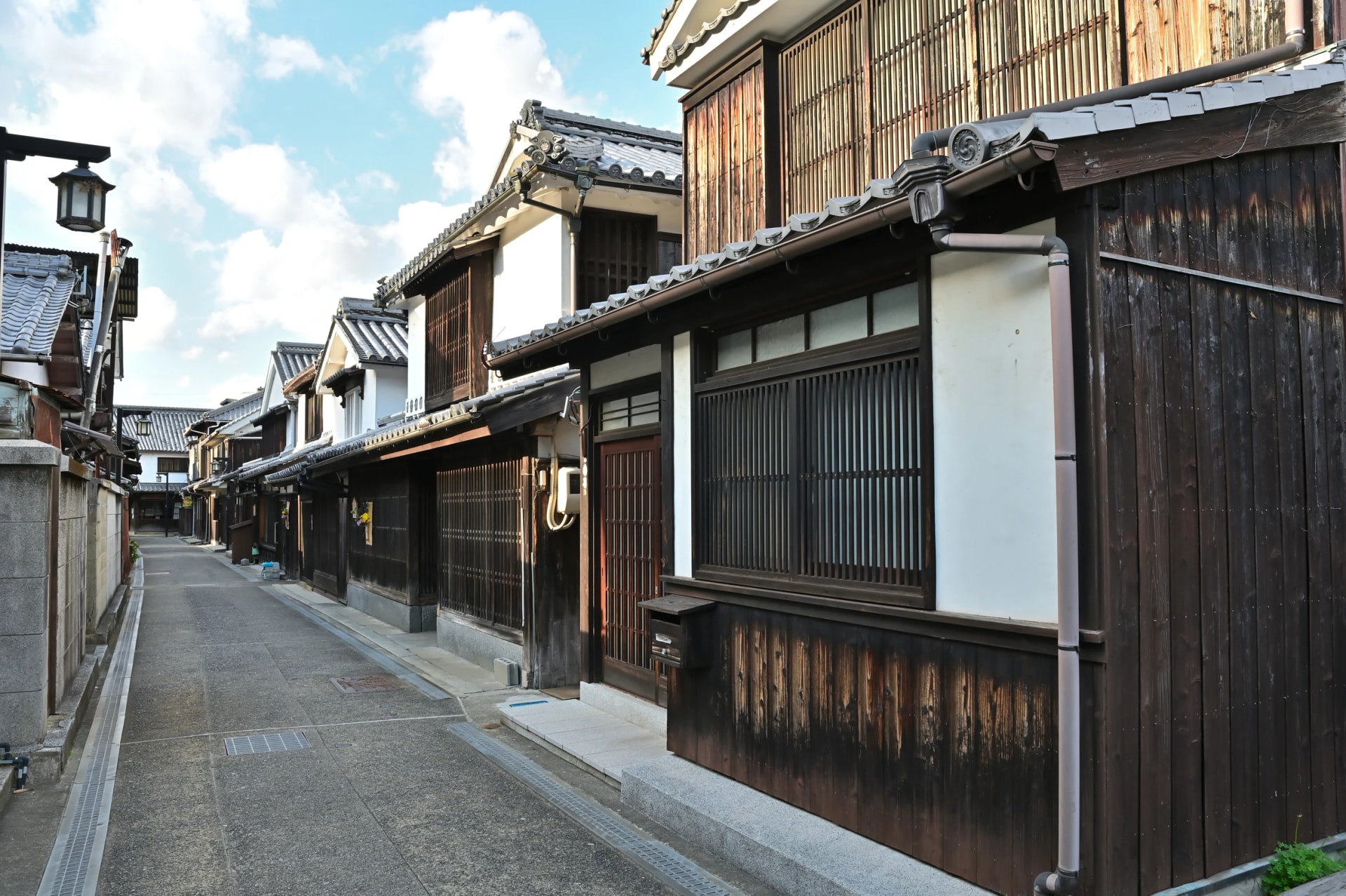
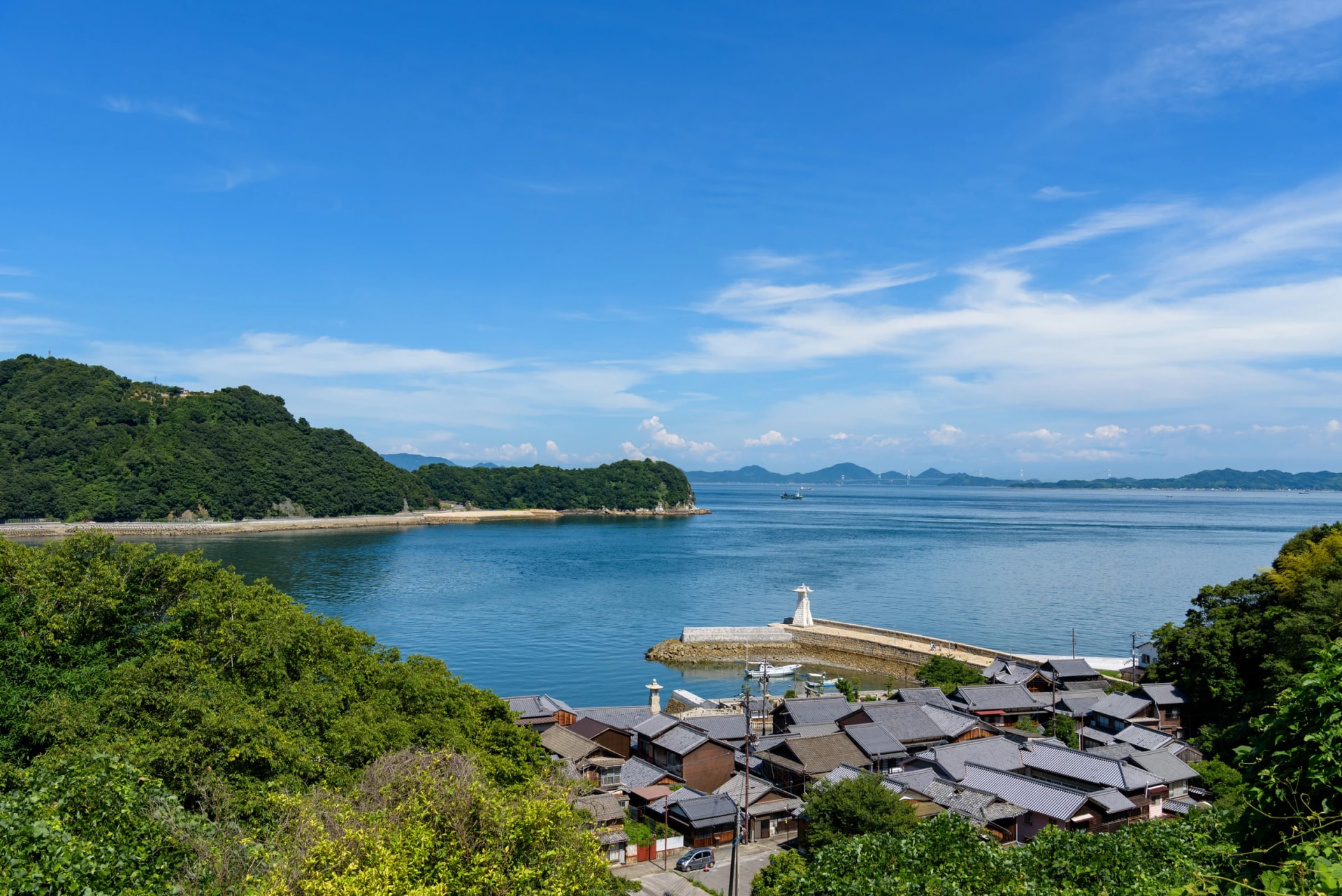
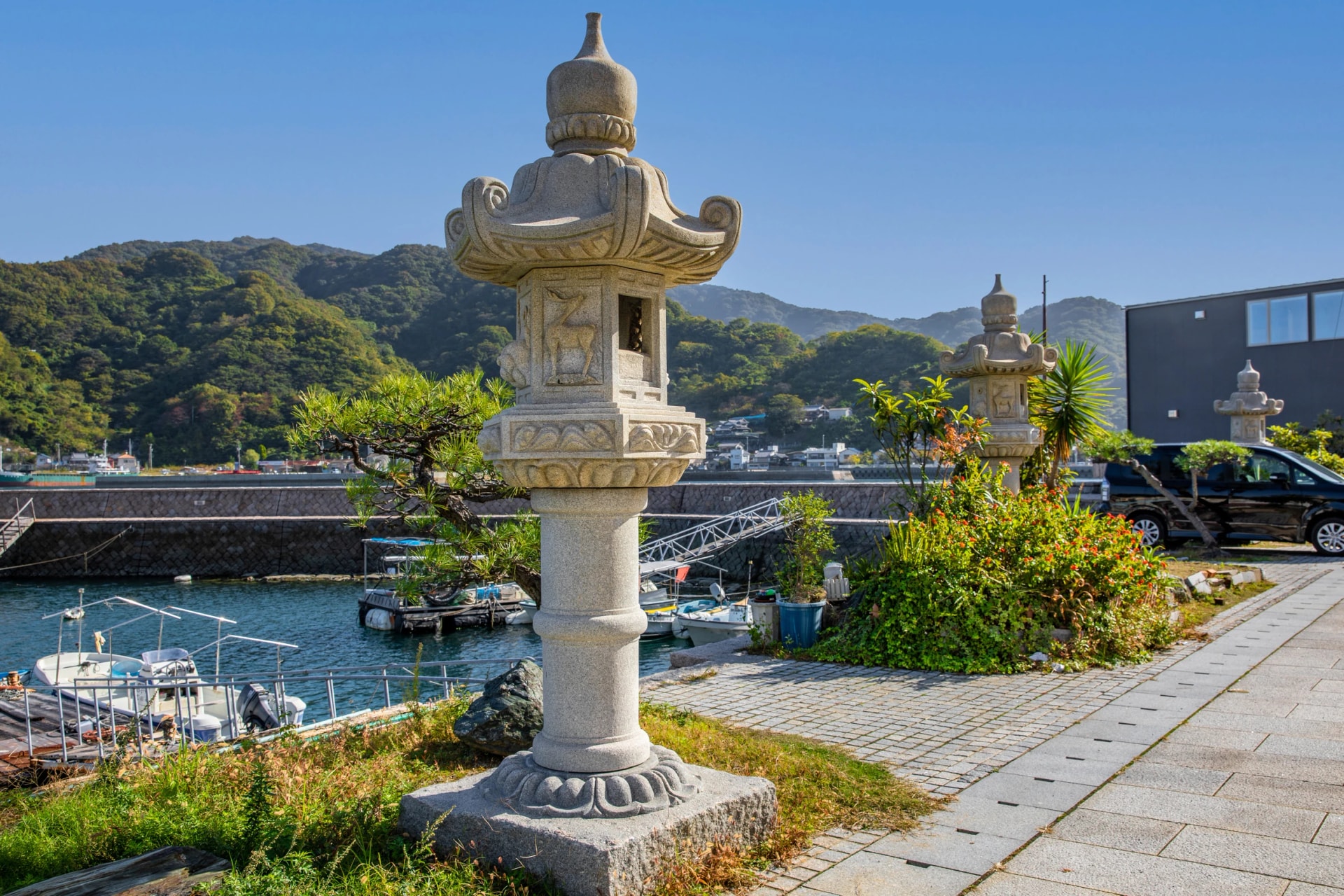
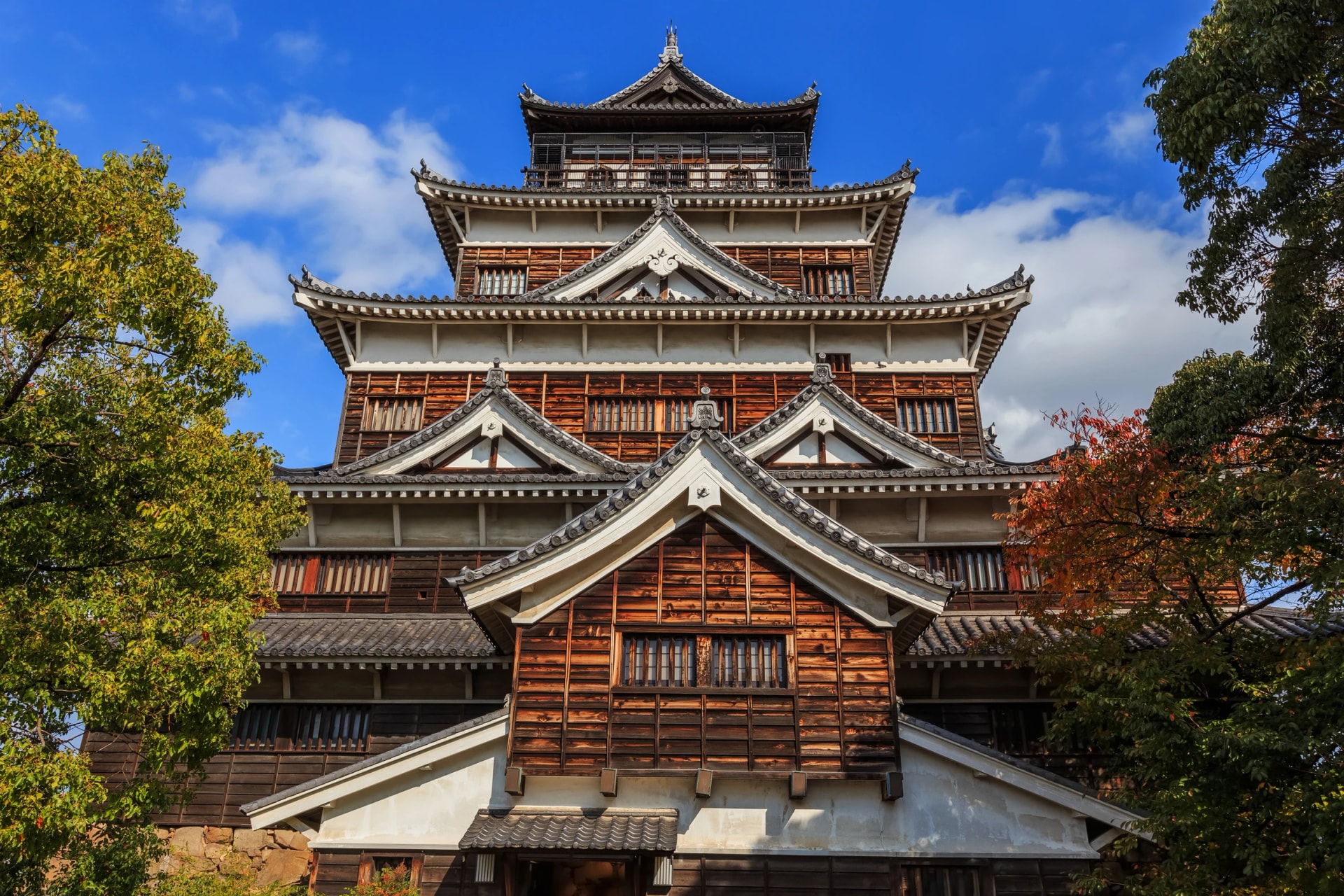
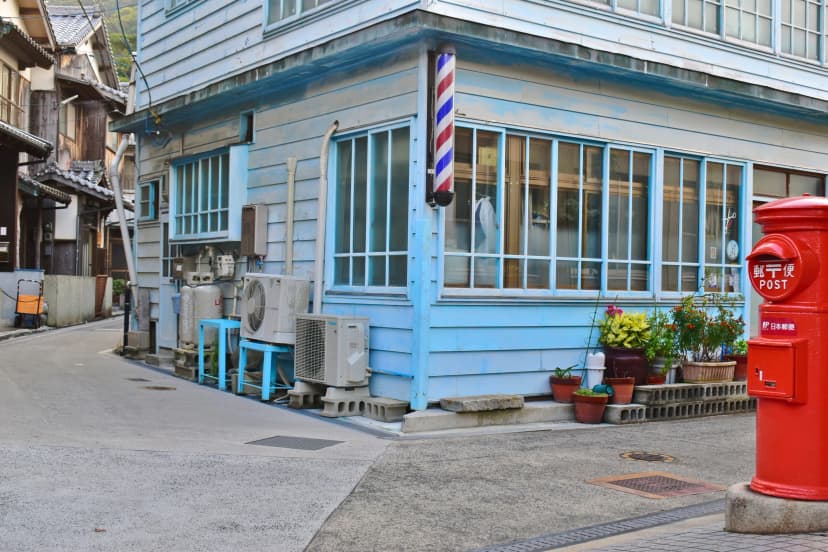
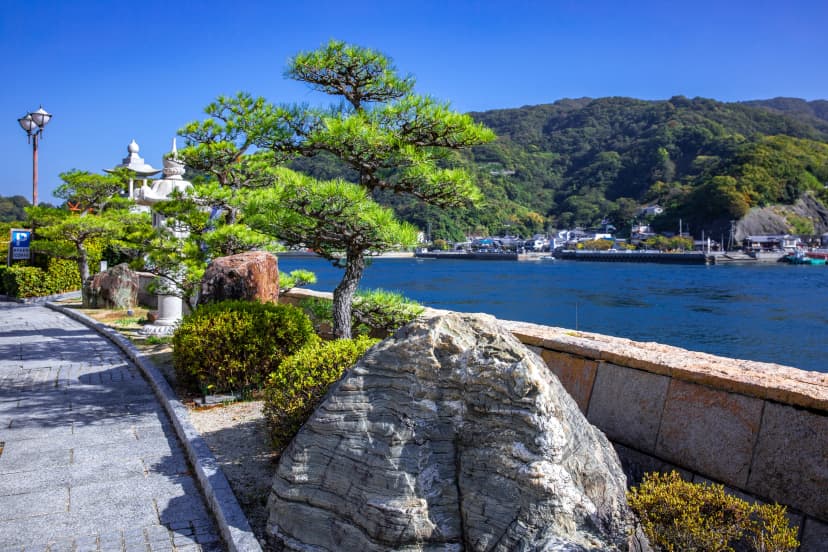
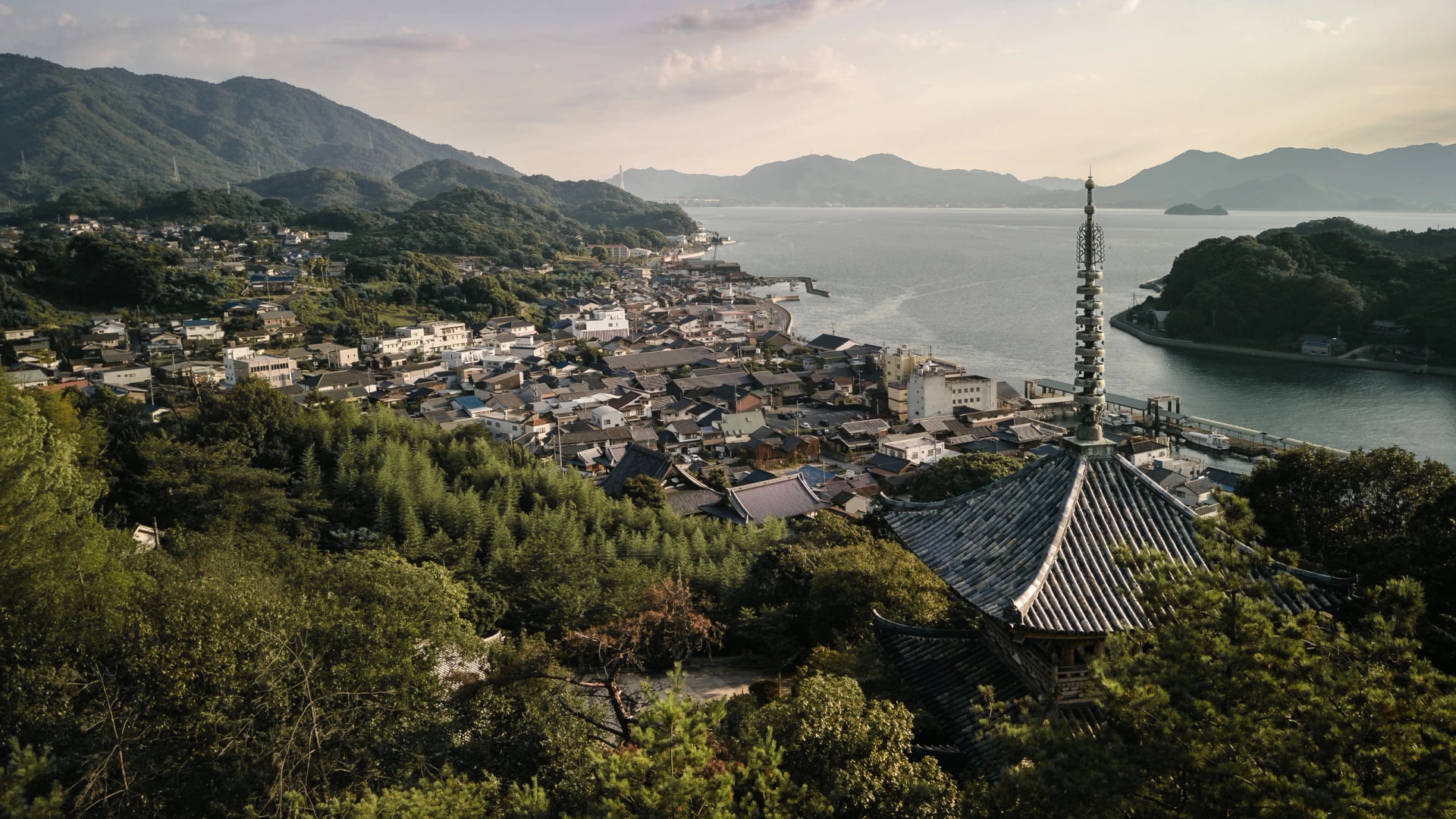
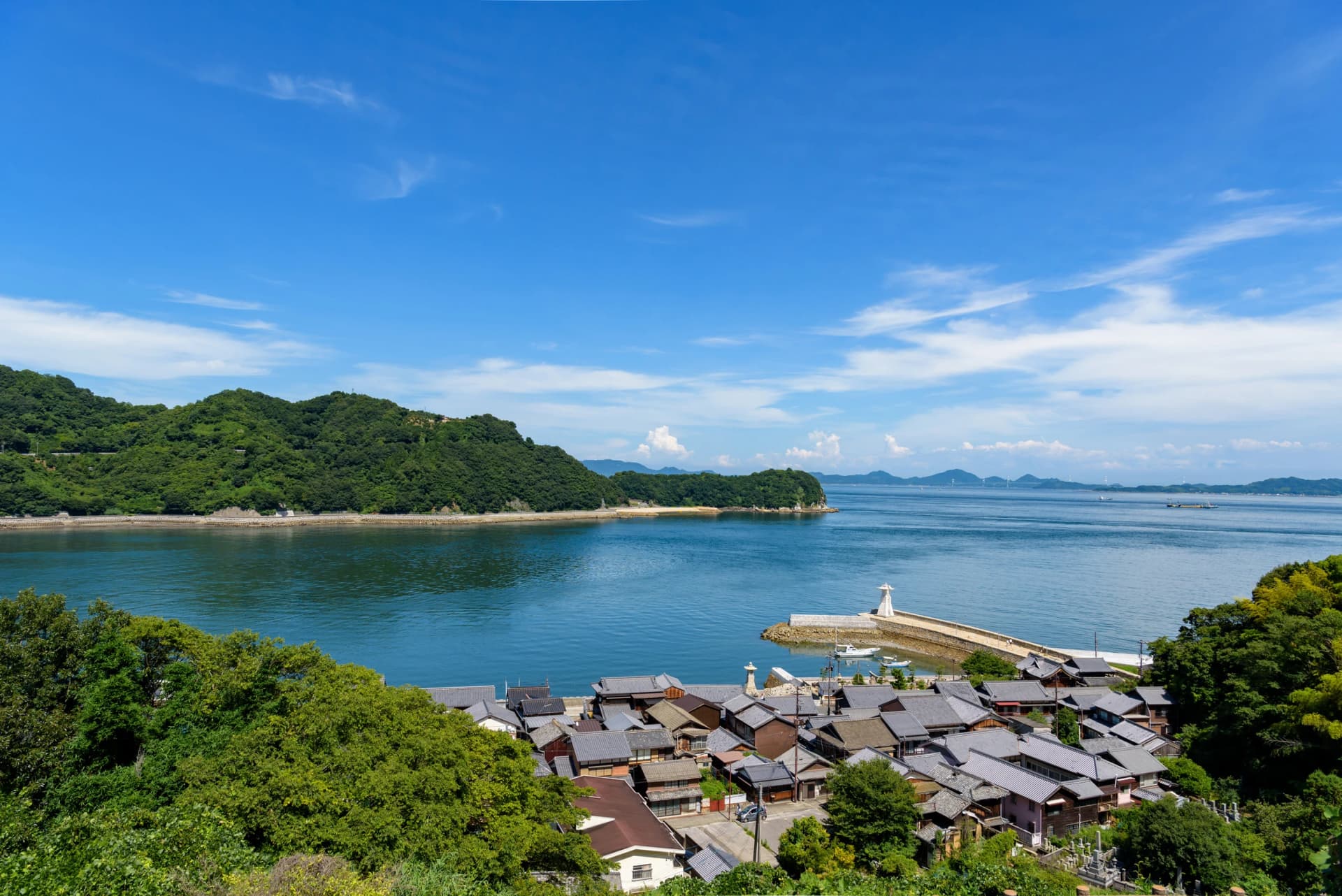
- Mitarai, an Edo port where ships waited for the tide, protected since 1994
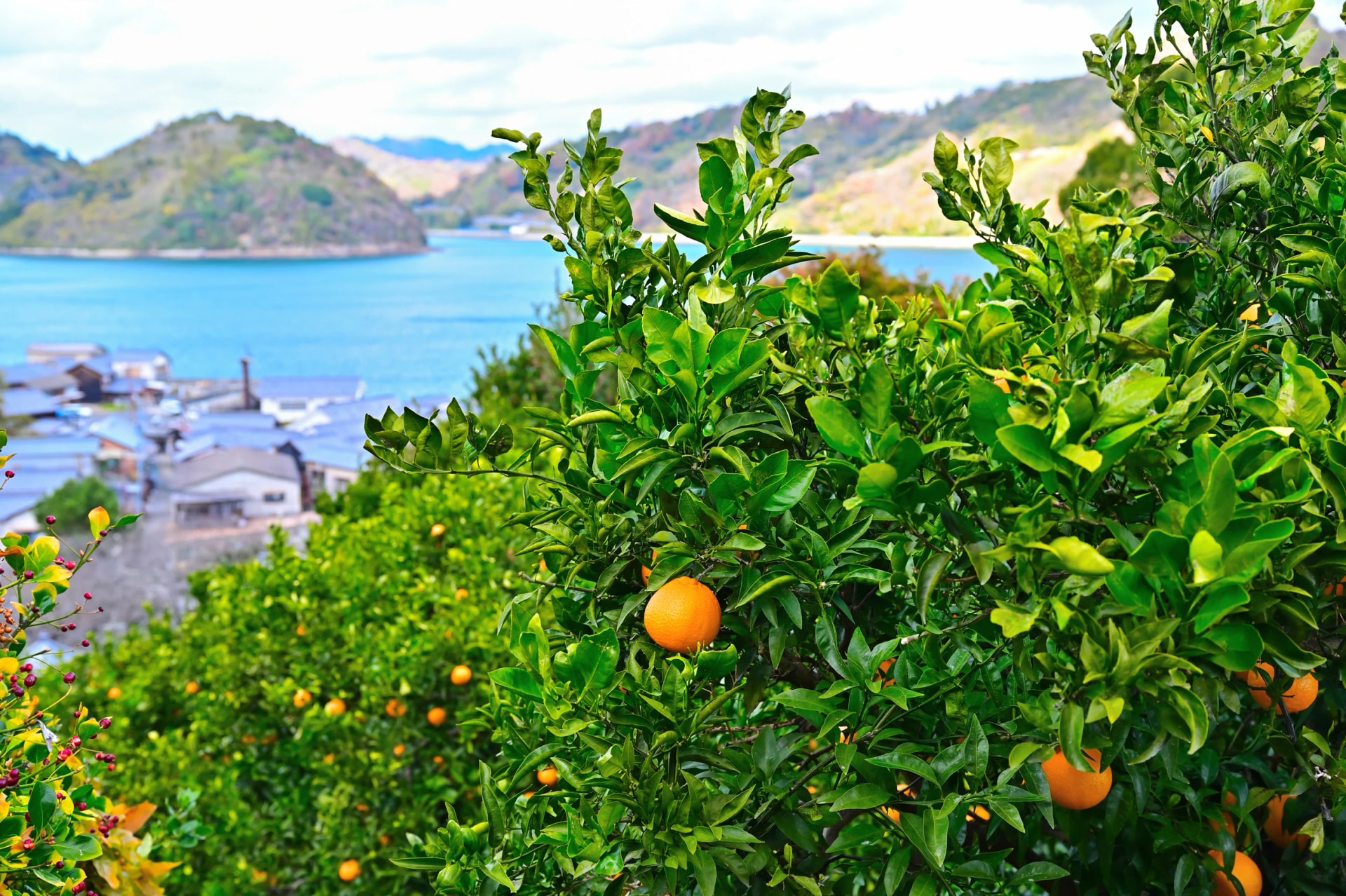
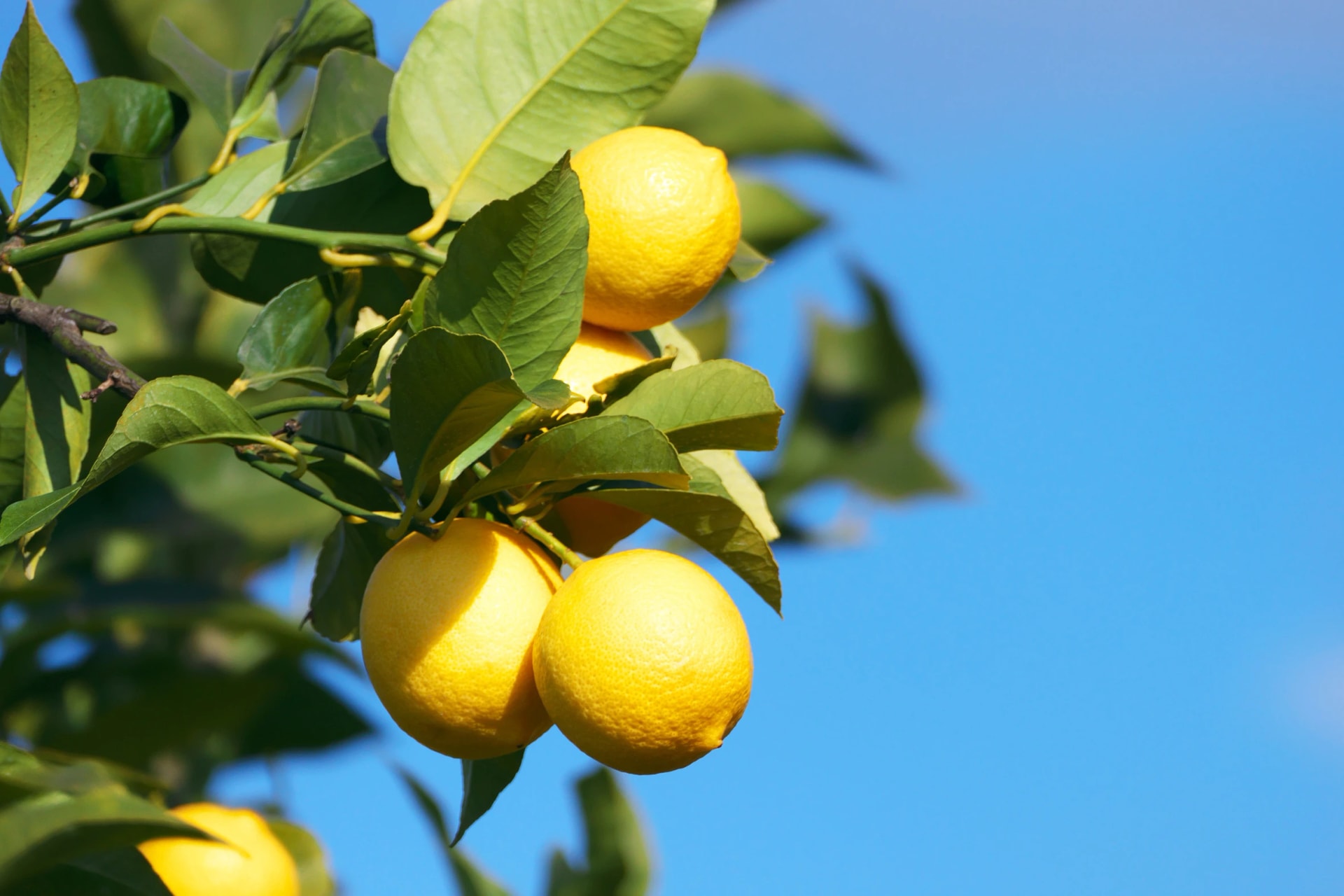
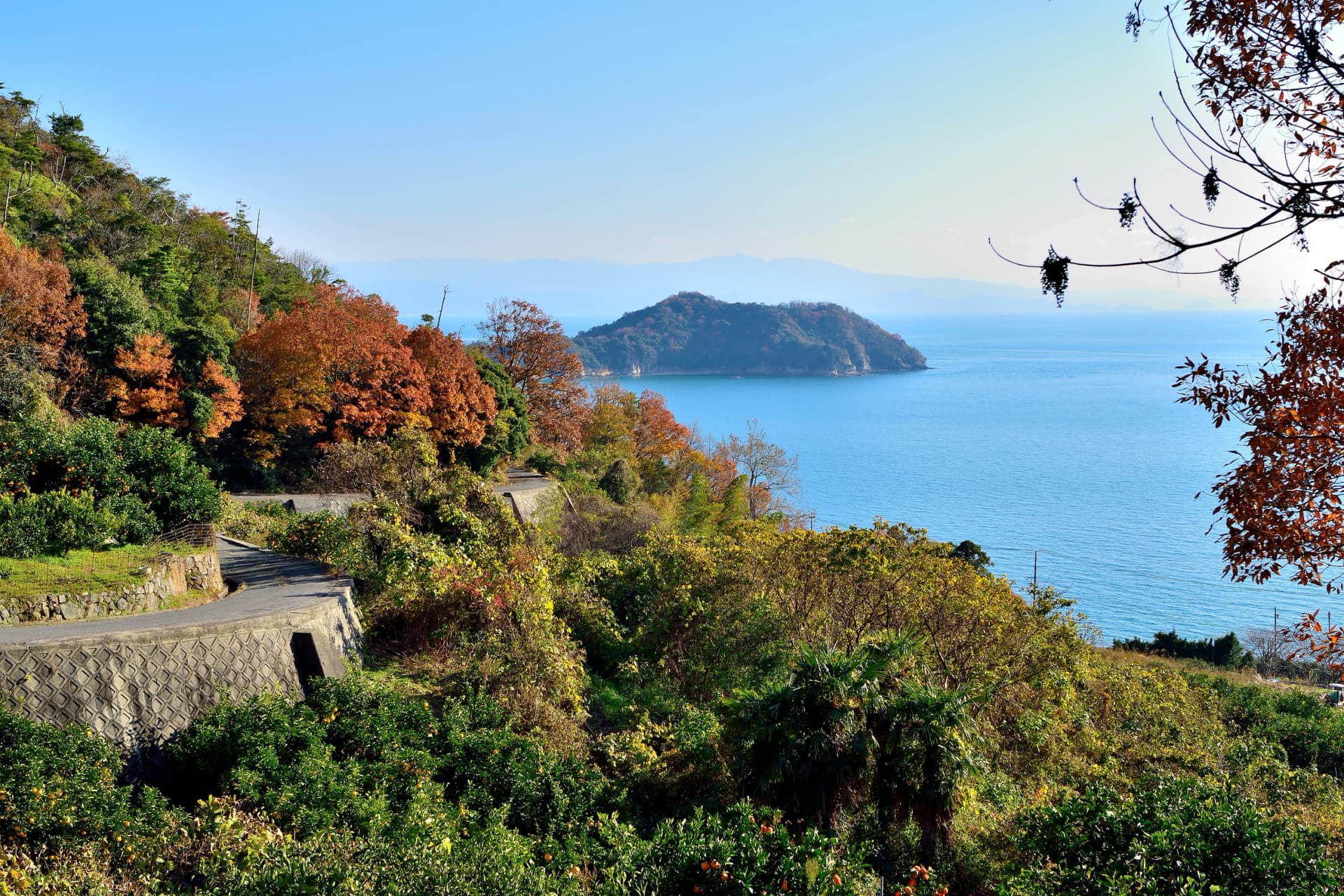
- Lemon terraces at Ōchō, where Hiroshima's lemon growing began in 1898
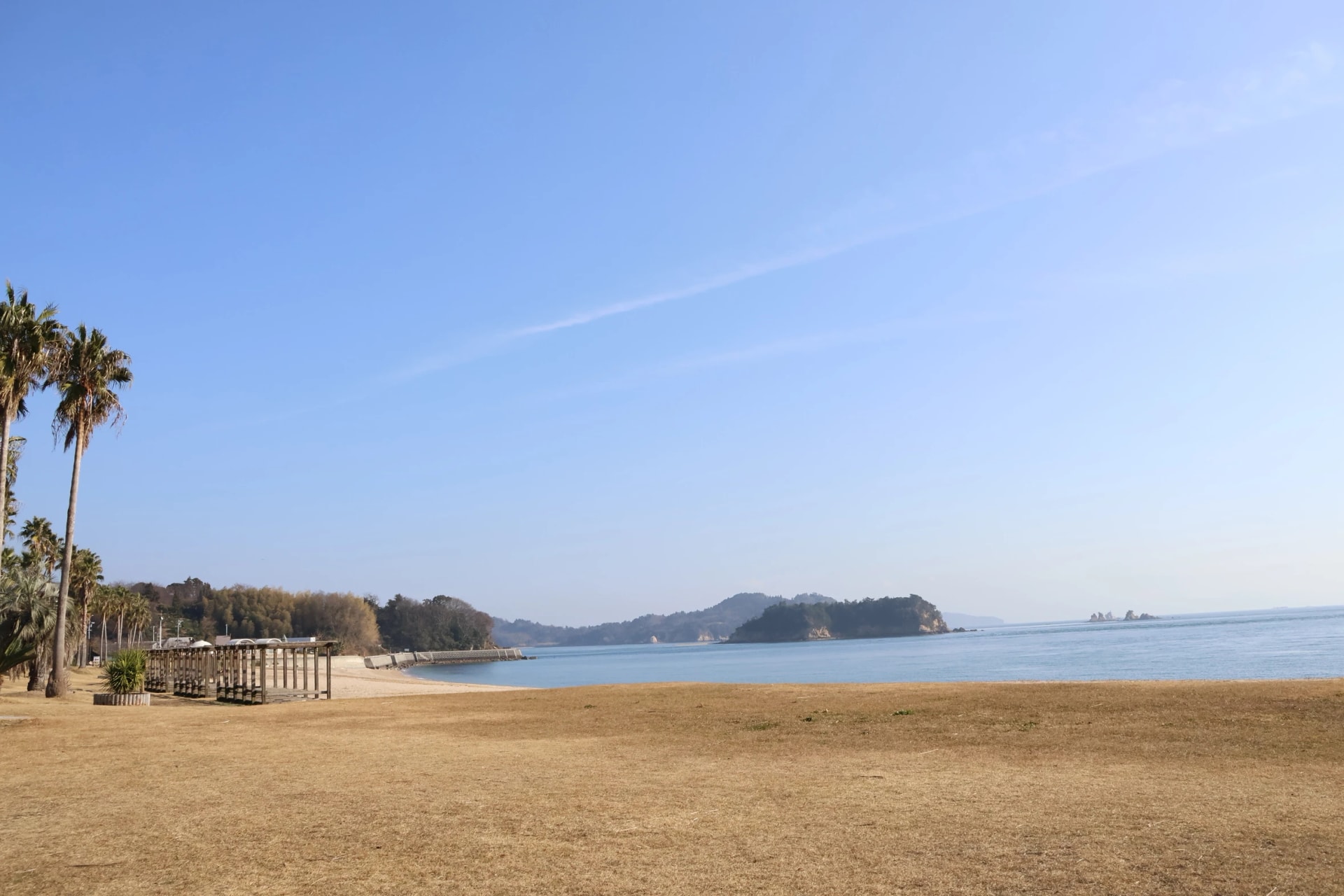
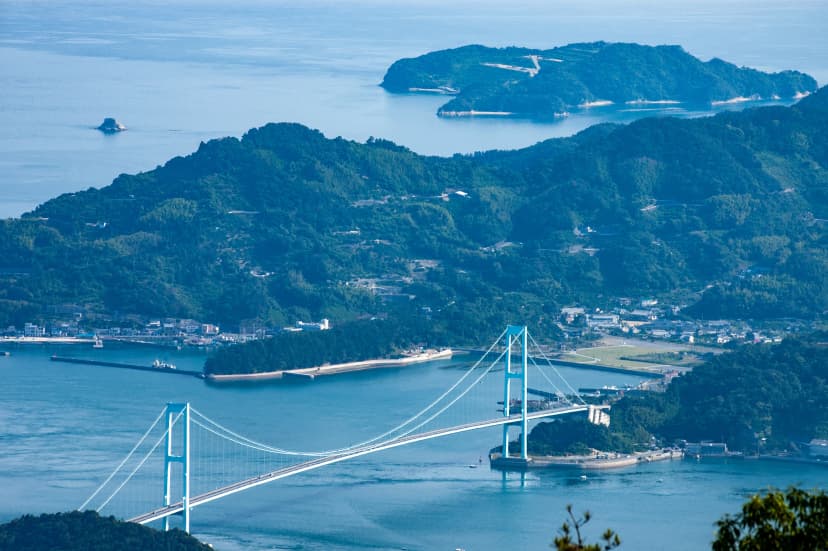
- A south-shore beach on Kamikamagari, over the 903 m Toyoshima Bridge
- At Sannose, Korean envoys came ashore on about 200 sheets of red Dutch felt
What’s included in the price?
Self-guided
Those who like good adventure and limitless flexibility should go on a self-guided cycling holiday. It offers complete freedom, multiple detour opportunities, and exploration at your own pace without having to adapt to a group.
INCLUDED
6 nights in town hotels, a ryokan and two island inns, all with a private bathroom
Breakfast every morning
Dinner on Ōmishima, Ōsakishimojima and Kamikamagari
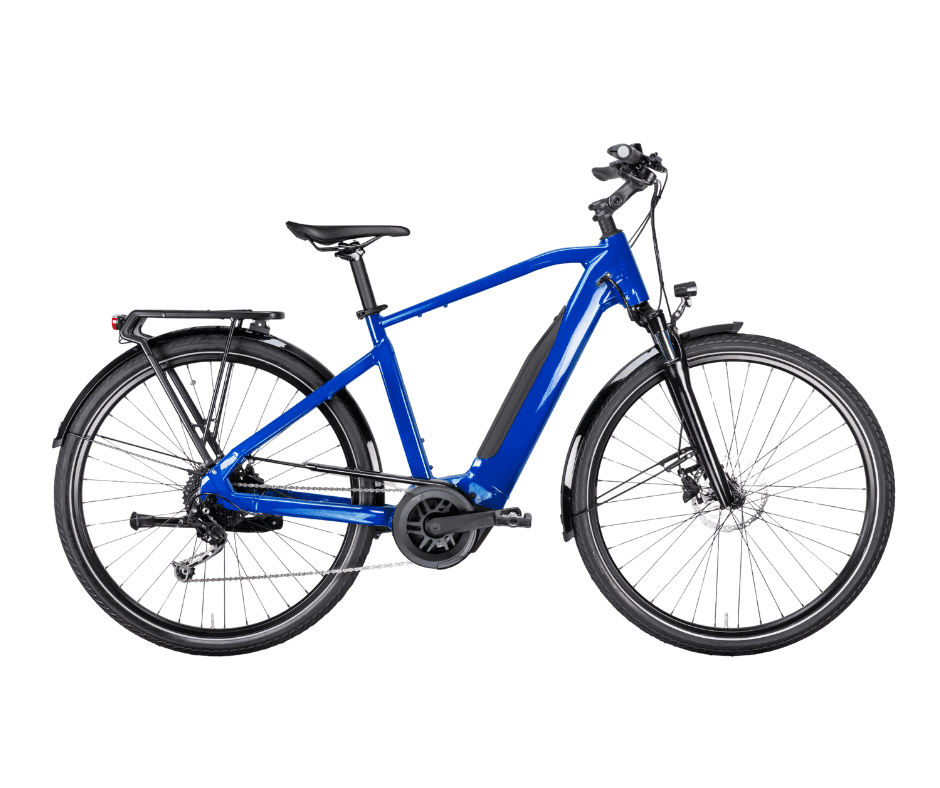
E-bike for the whole tour, Onomichi to Kawajiri, with a helmet
Luggage transfer
Route app with GPS navigation
Digital guidebook
Tour design and organisation
NOT INCLUDED
Travel to Onomichi and home from Hiroshima
Ferry from Onomichi to Mukaishima and the boat from Imabari to Okamura
The train from Kawajiri to Hiroshima
Lunches, and dinners in Onomichi, Imabari and Hiroshima
Entry to Kōsan-ji, the Ōyamazumi Shrine treasure halls, Shōtōen and the Yamato Museum
Travel insurance
OPTIONAL EXTRAS
Single supplement
Accommodation levelComfort
Carefully selected town hotels, a ryokan and two island inns, all with private en-suite rooms and breakfast included. Expect comfortable, well-appointed rooms with attentive hospitality, typically in convenient and scenic locations — some properties also offer on-site dining.
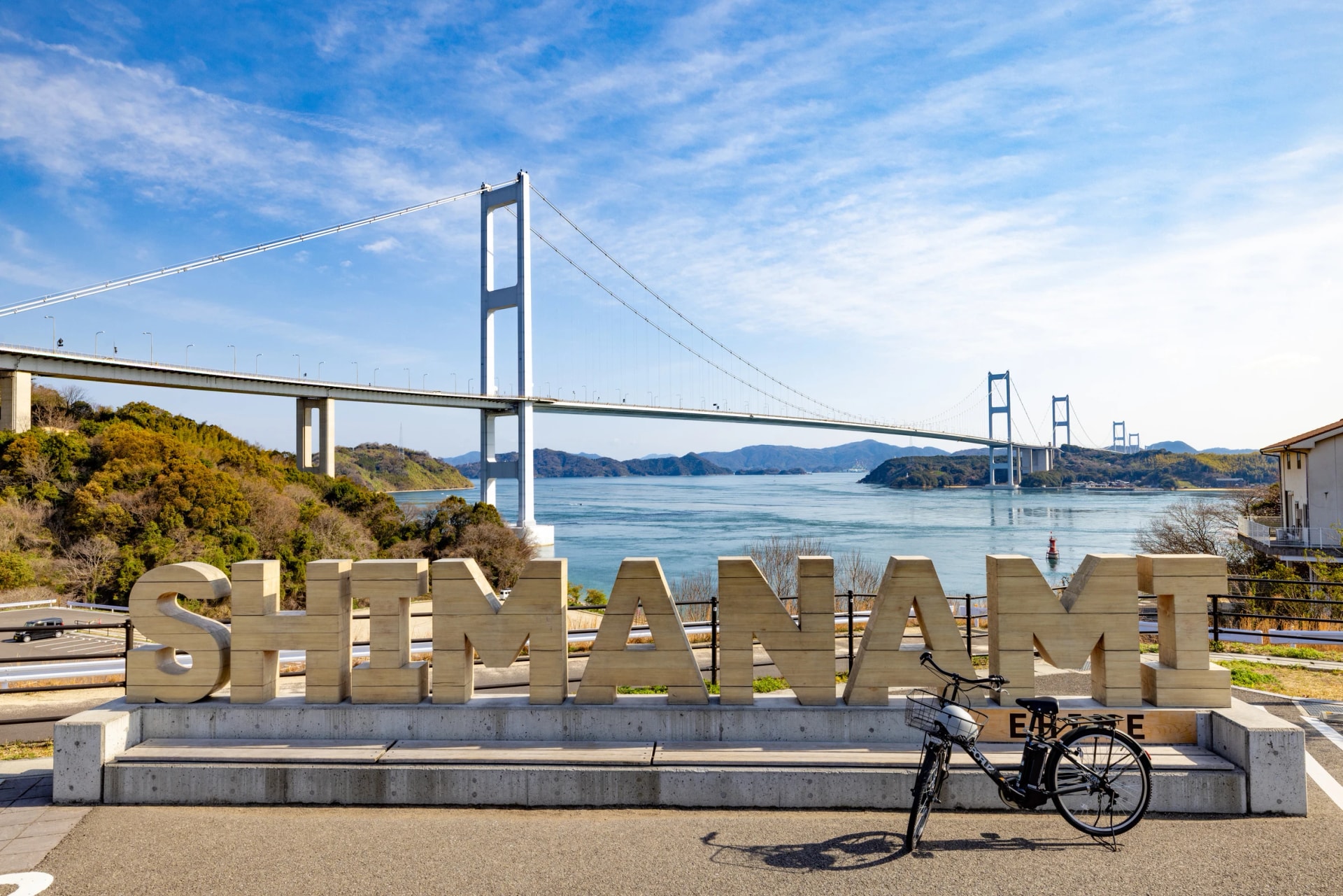
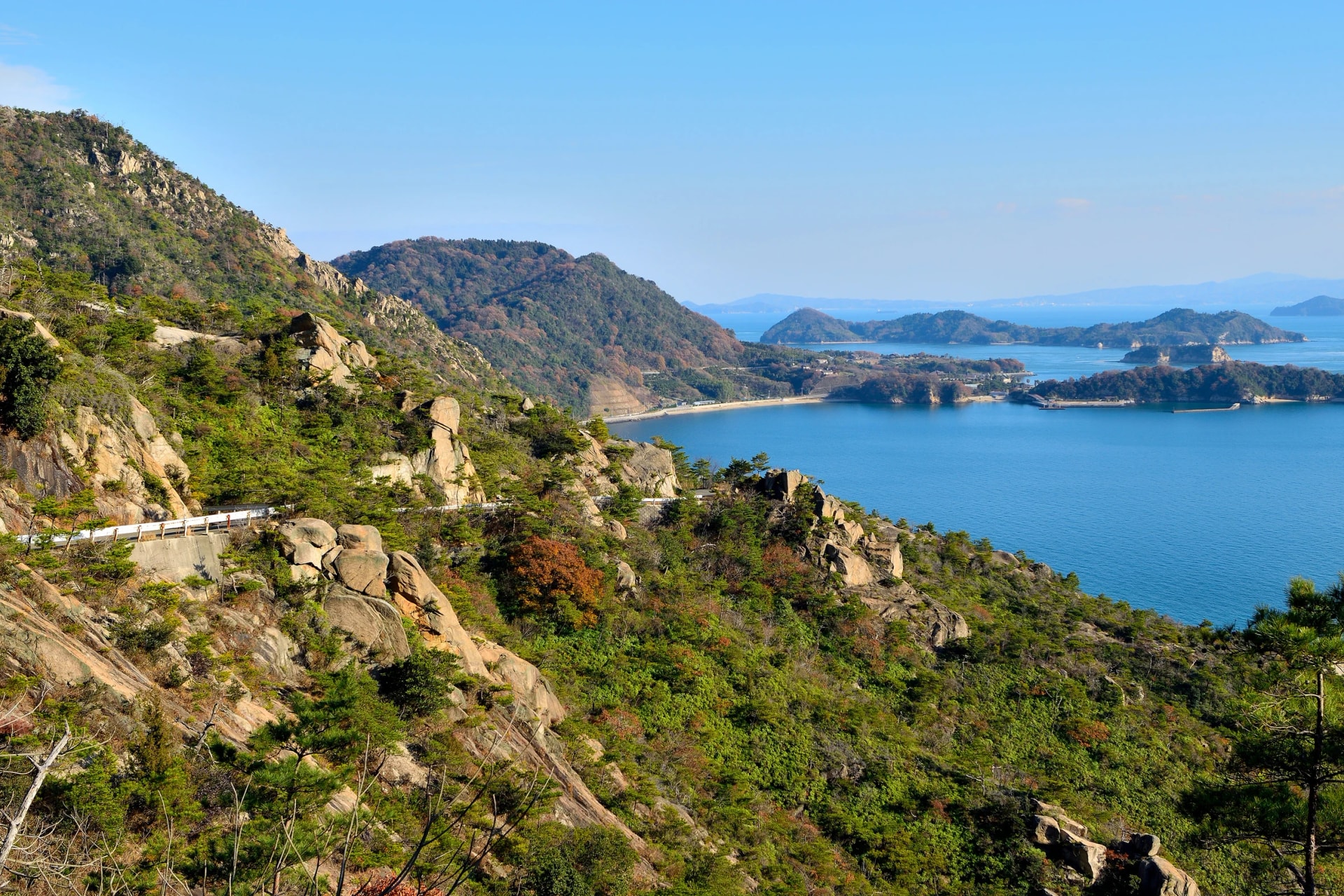
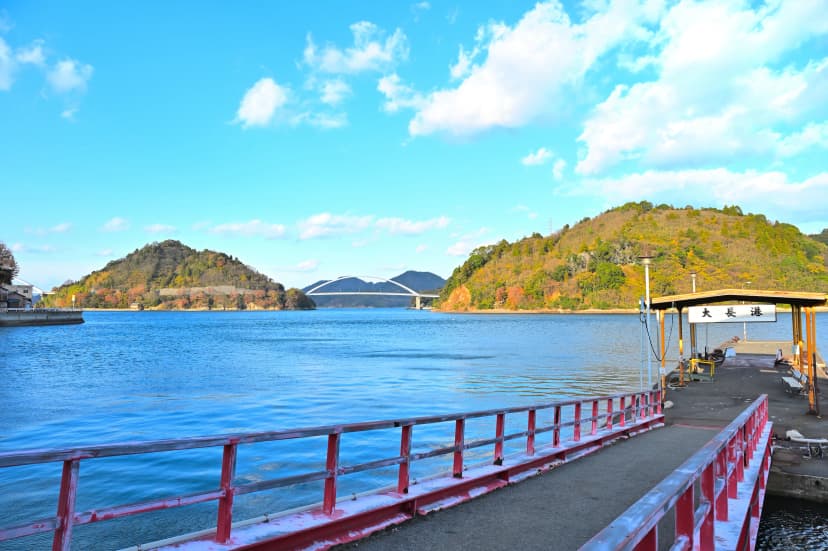
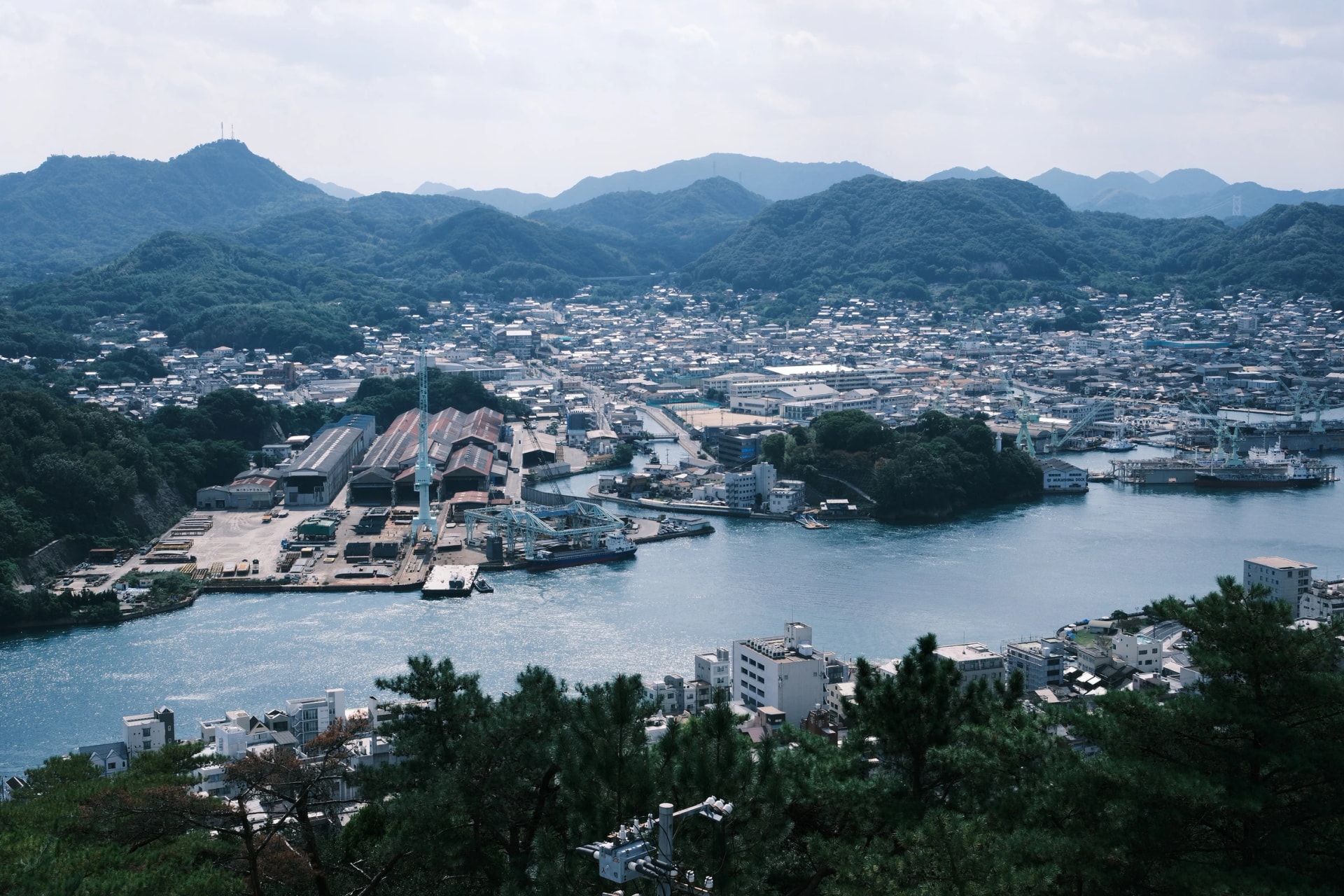
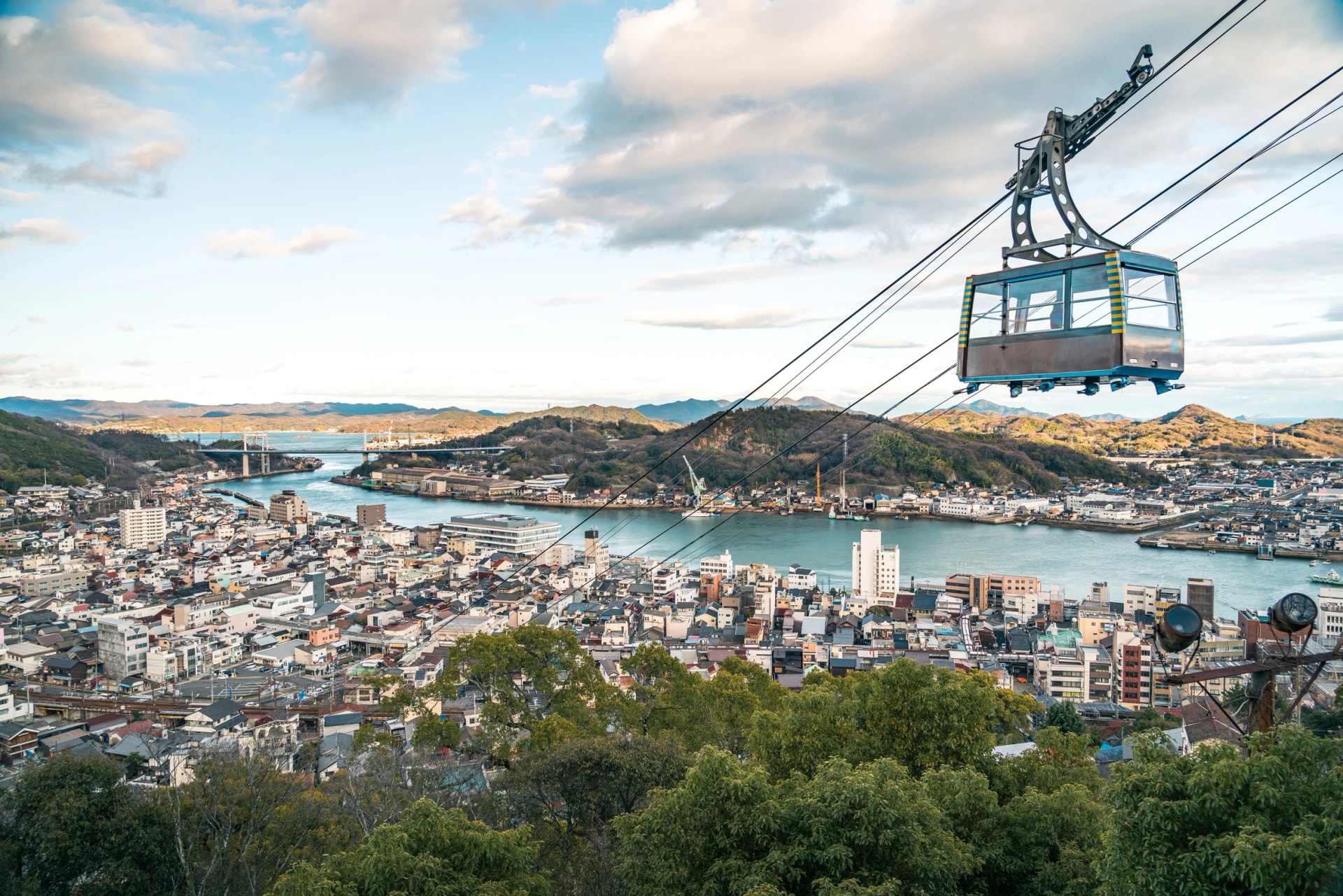
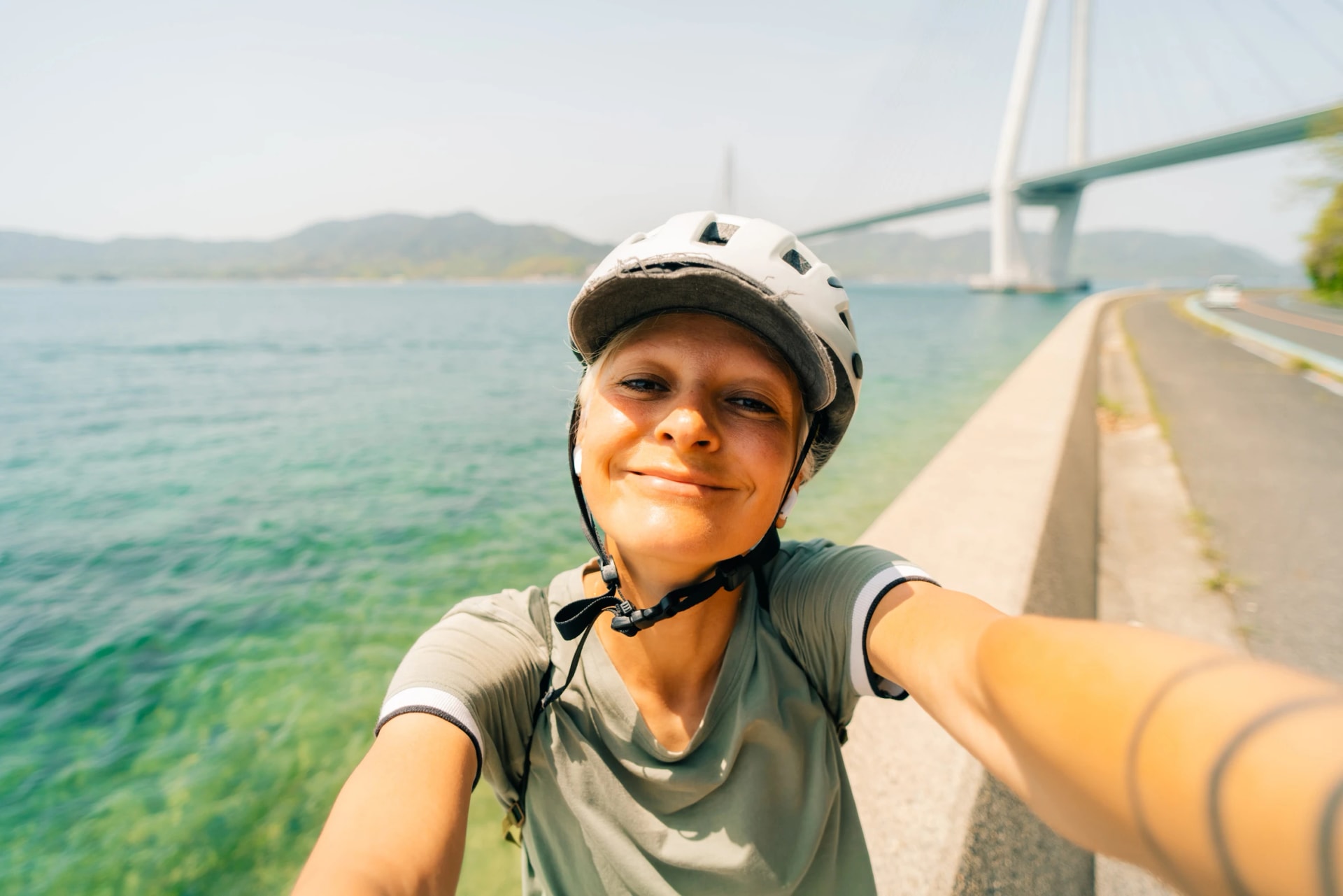
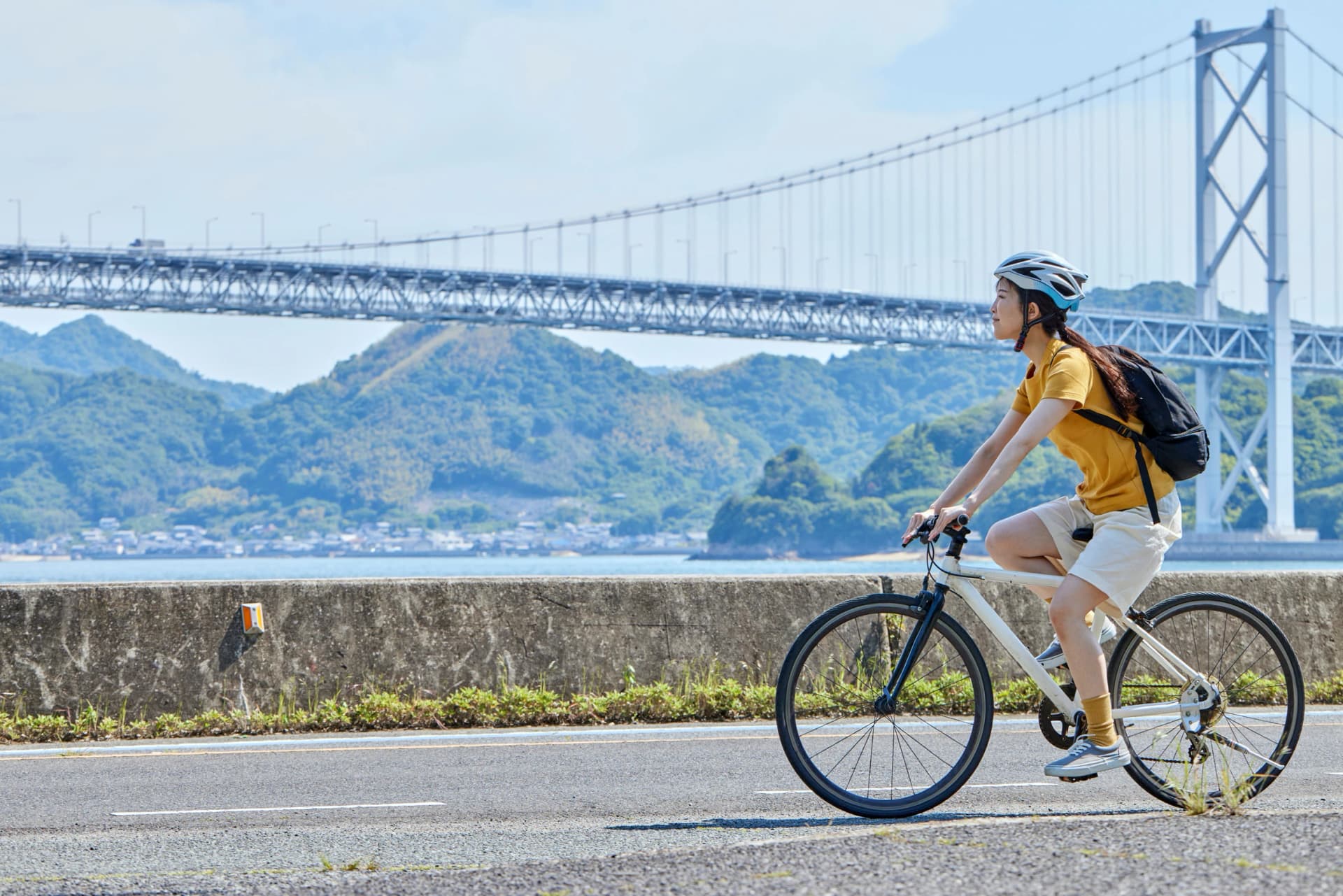
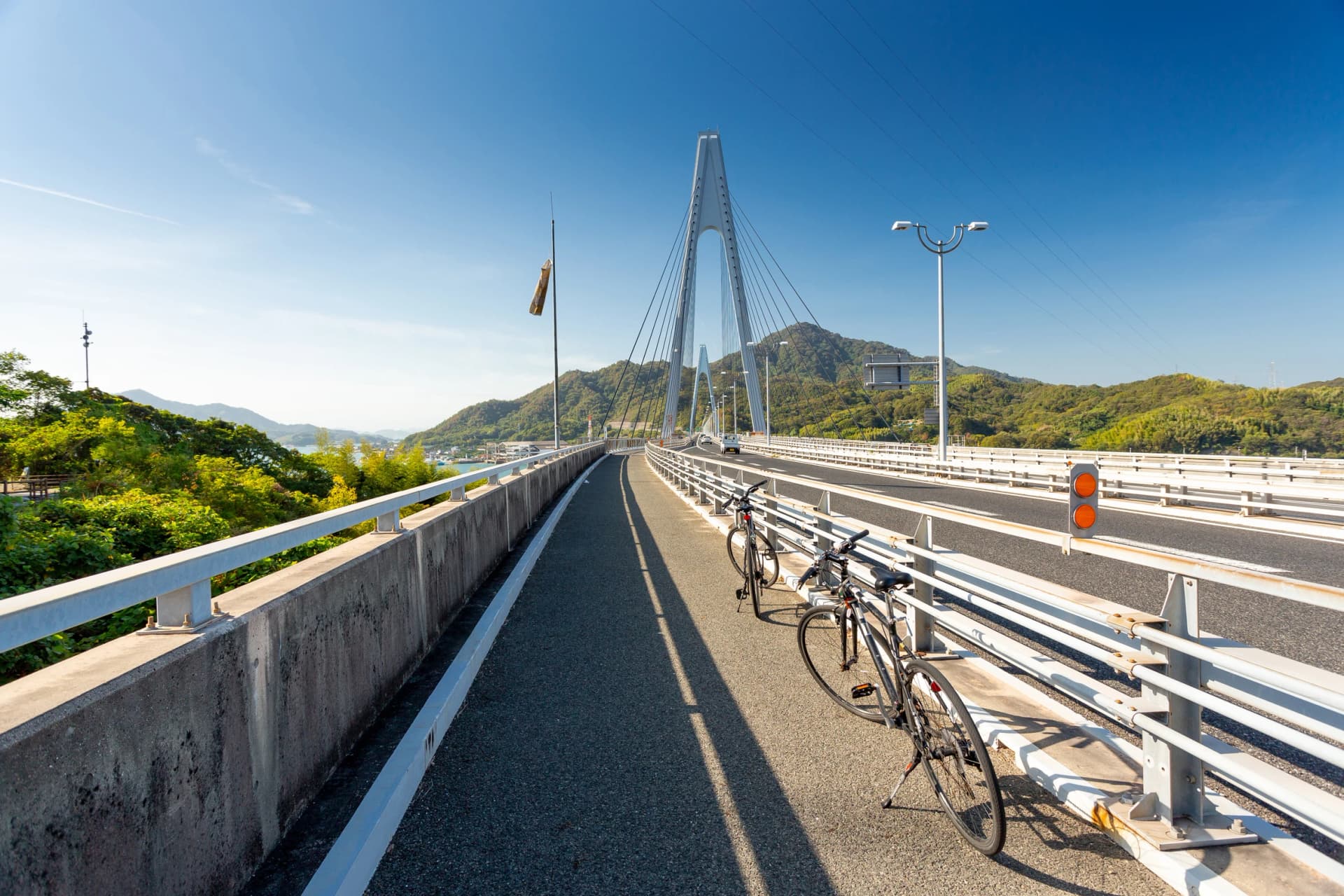
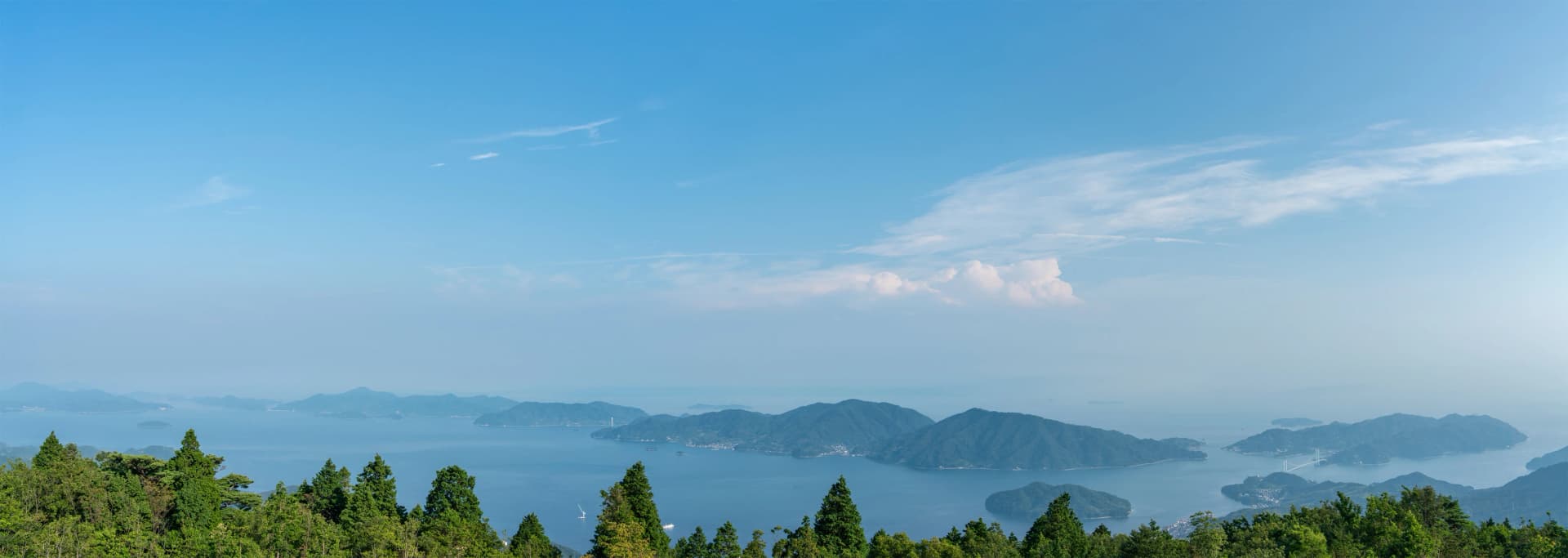
Two island chains run south from Honshū into the Seto Inland Sea. The Shimanami Kaido is the famous one, with a lane for bikes on every bridge. The Tobishima Kaido, an hour west by boat, has seven bridges of its own, lemon terraces down to the water and far fewer riders, because the tours that go there ride it in a day from Ōmishima or Hiroshima. This tour rides both and sleeps on the islands.
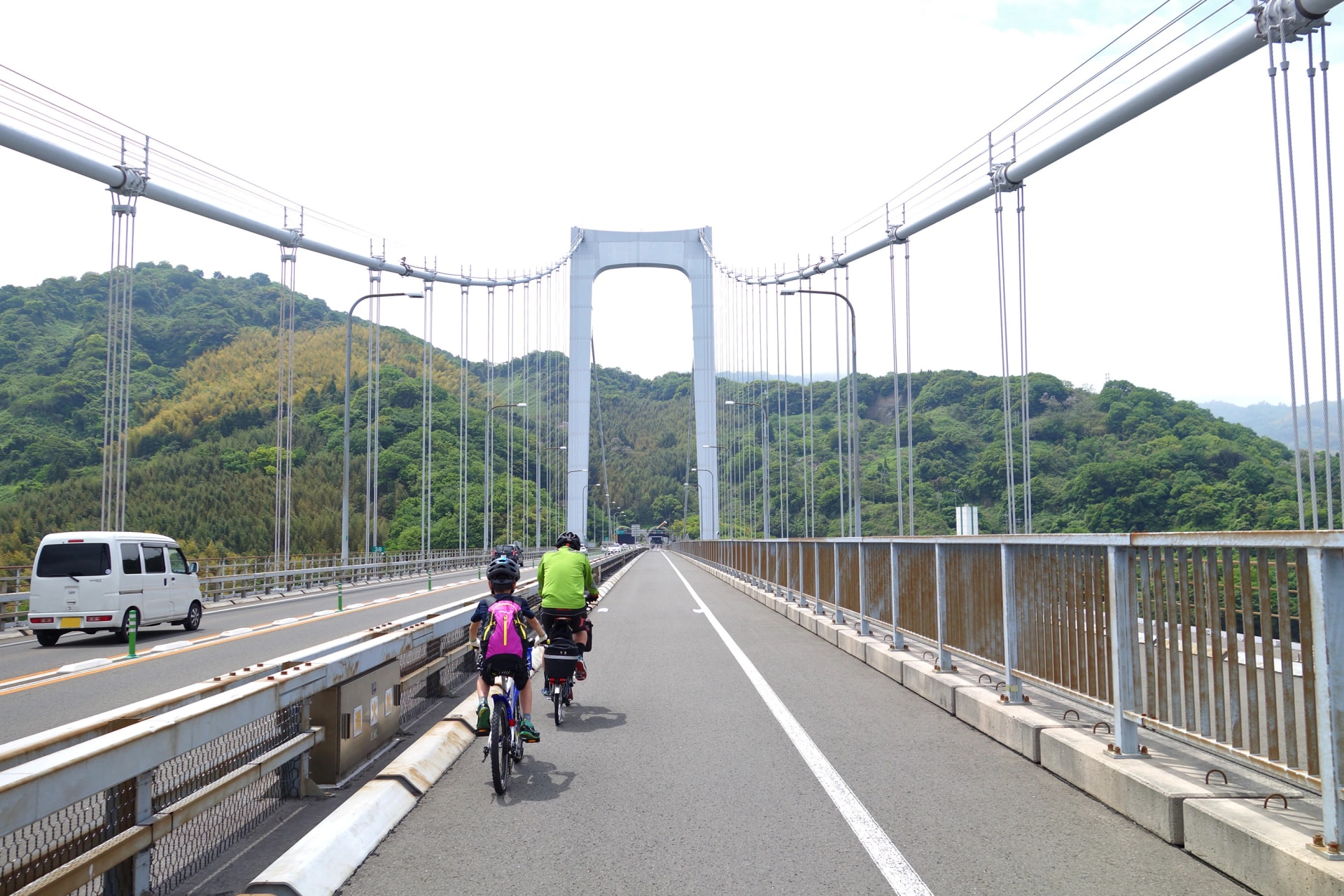
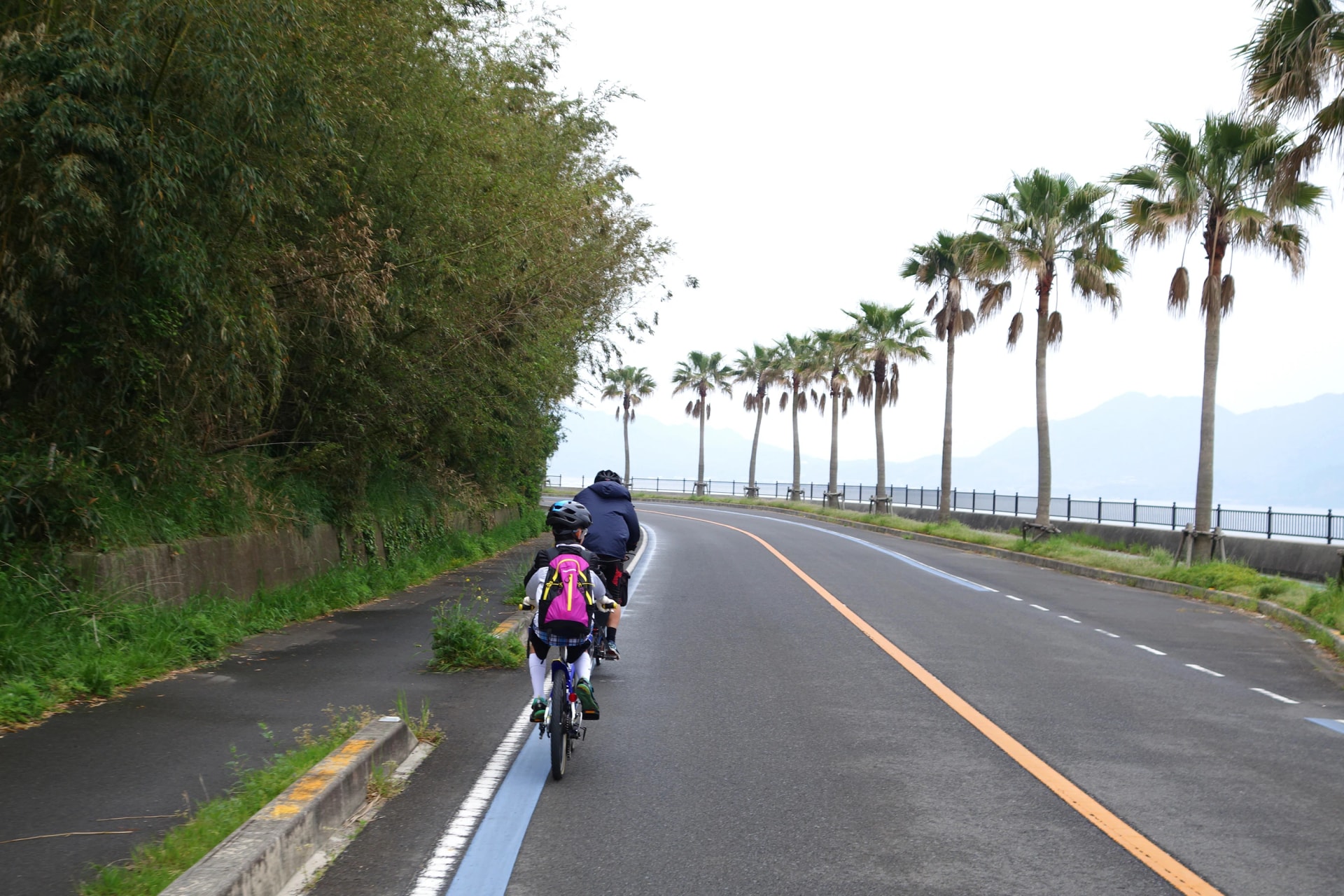
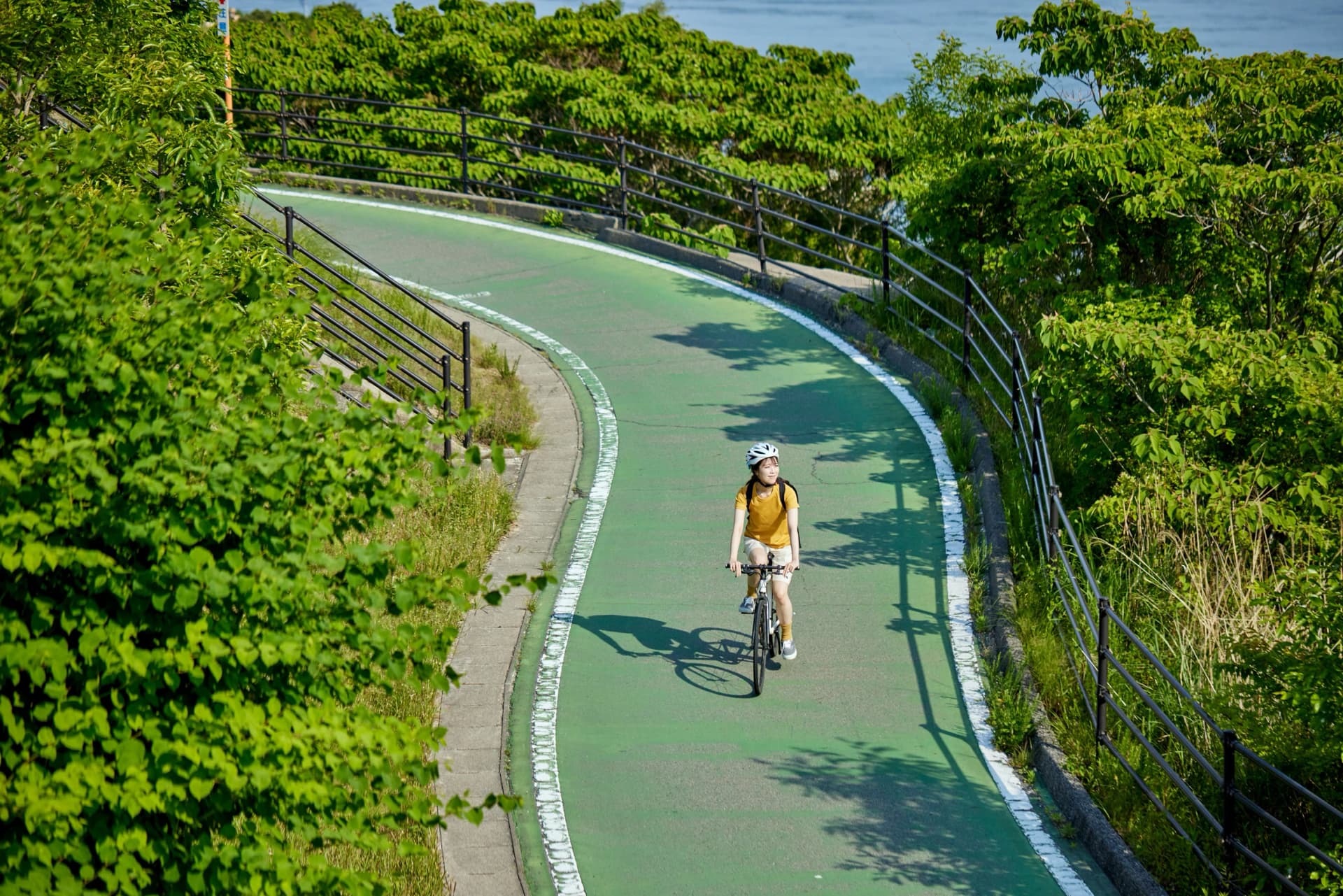
The longest days come first: 44 and 45 km over the Shimanami bridges to Imabari. After the boat to Okamura the riding shortens to 14–33 km a day on coast roads, with a blue line painted along most of the Hiroshima side.
You ride one bike all the way: it crosses to Okamura on the boat with you. The nights are in Onomichi, near Ōyamazumi Shrine, in Imabari, at an island inn at Ōchō, at a beach lodge on Kamikamagari, and last near Hiroshima Station. Dinner is included on all three island nights, where restaurants are few.
Mitarai, the old harbour on Ōsakishimojima, was home to Nakamura Harukichi, who left Yokohama in 1902 as the first Japanese to cycle round the world and was back about 15 months later. His monument stands at the Mitarai Tenmangū shrine.
Frequently Asked Questions

Hassle-Free
We handle itineraries, accommodations, and anything else you prefer not to deal with, so you can enjoy a carefree holiday.

Tried & Tested Adventures
Our cycling routes are hand-picked & tested, to ensure breathtaking landscapes, smooth roads, and maximum safety - giving you the perfect ride every day.

Unbeatable Support
Our customer support is where we show our passion, ensuring your cycling holiday runs smoothly and your well-being is always our top priority.

Book with Confidence
We are a financially protected company, fully bonded and insured, keeping your money safe and allowing you to travel with confidence.
from 2.490 € /person